
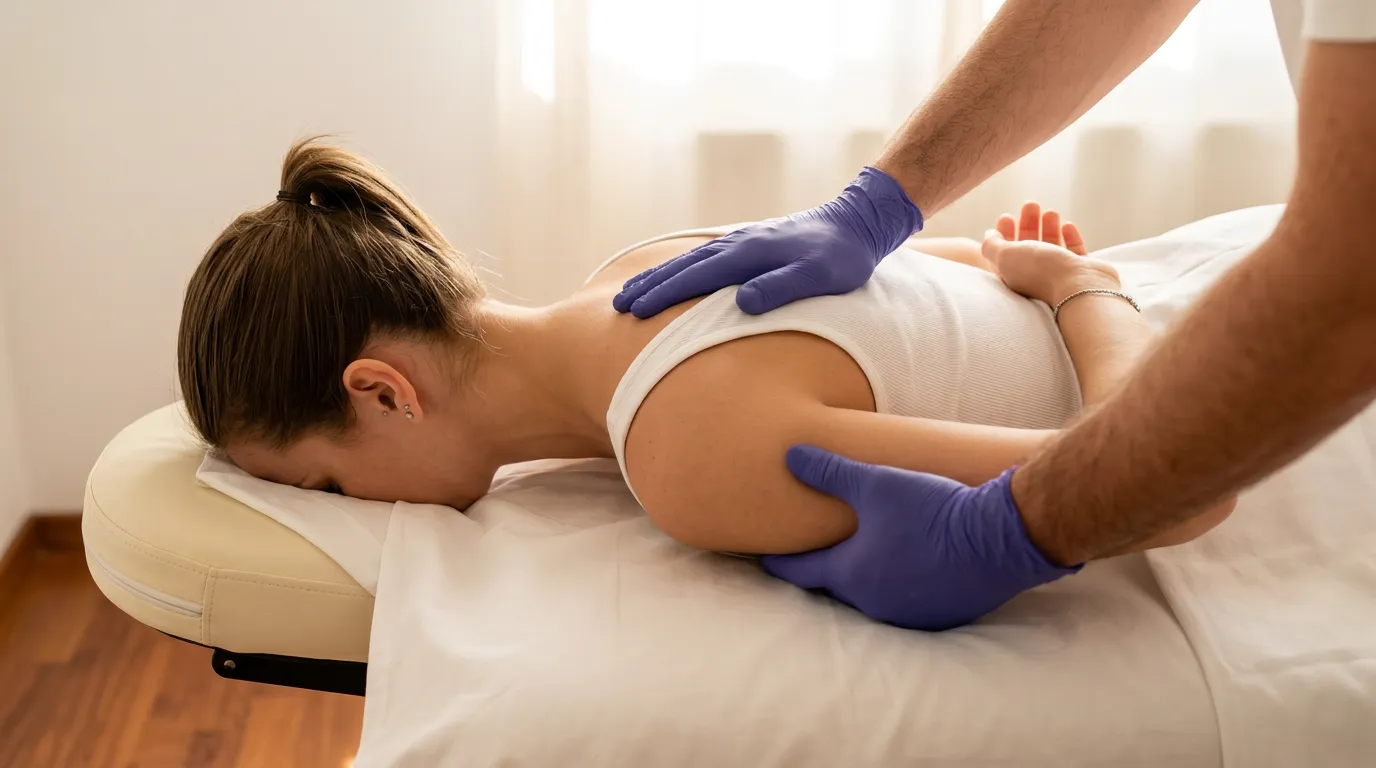


Structural Integration
Structural integration for chronic postural patterns, long-held compensations, and fascia that has not responded to conventional massage. Offered as the full 10-session progressive program or as targeted individual sessions for a specific structural pattern. Led by Crystal Tait, RMT and Structural Integration Therapist, licensed by the College of Massage Therapists of Ontario and eligible for direct billing through your extended health plan.
4.9 Stars · 407 Reviews
Concerns Structural Integration Treats

Back Pain
Chronic back pain held in postural fascia, not muscle alone. Single-area massage releases the surface, then the rest of the fascial chain pulls the lumbar pattern back into place within days.
Treatments+
Whole-body fascial assessment first, then sequenced release across the lumbar paraspinals and the chain pulling on them. Each session targets one fascial layer, with breath-coordinated holds and movement input between.
Causes+
Years at a desk, behind a wheel, or in one repeated position shorten the fascial envelope. The lumbar region carries the compression and the surrounding chain locks the pattern in across the whole body.
What every appointment looks like.
Every session is dialled to your postural assessment, prior treatment history, and the layer the series is on, that day.
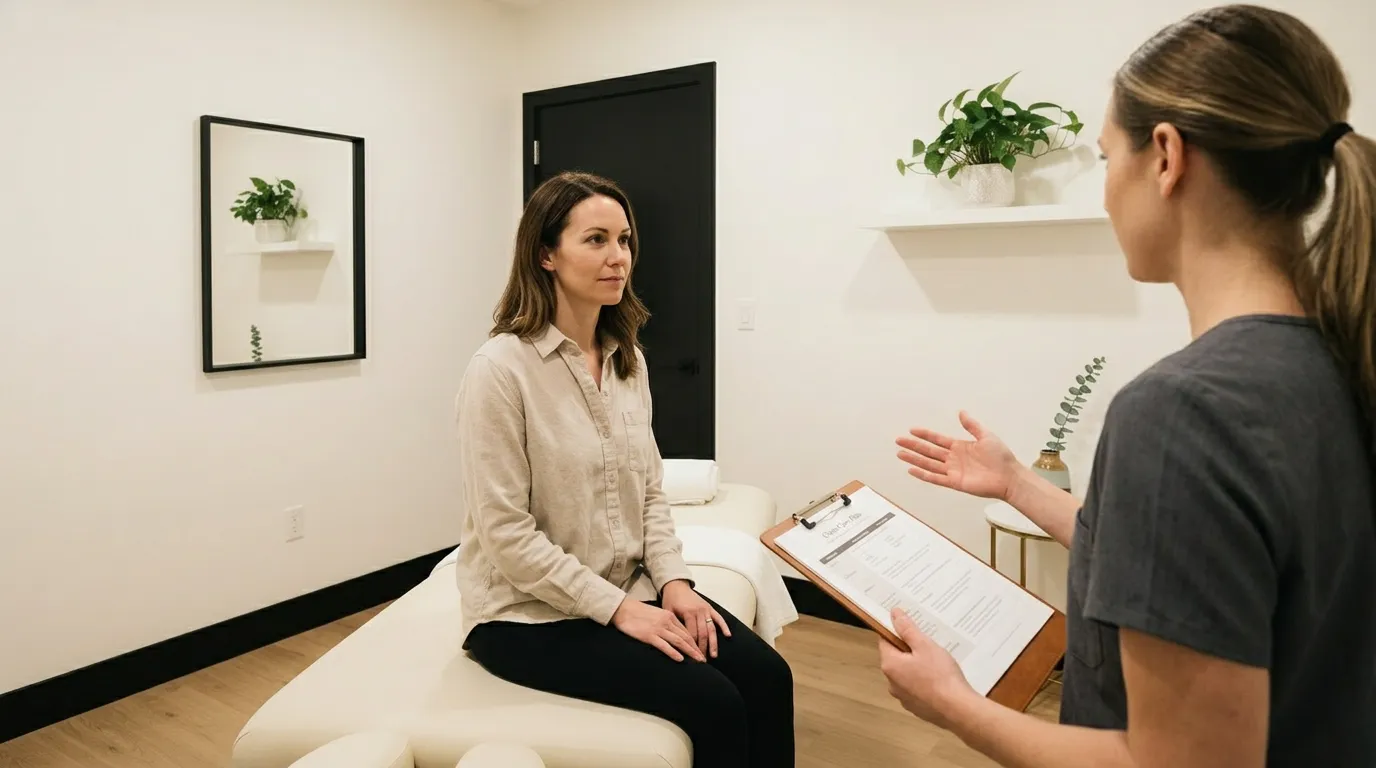
Your structural integration therapist reviews your history, prior bodywork, current presenting pattern, and what you have already tried. Standing posture, gait, and movement patterns are evaluated, and posture is photographed for baseline tracking. The first visit determines whether the full 10-session series or targeted individual sessions fit where you are.
Details+
- • History, prior treatment, current presenting pattern
- • Standing posture and gait, photographed for baseline
- • Movement testing across the regions implicated
- • Fit for the full 10-session series or targeted individual work
When Structural Integration Isn't the Right First Call
Red flags and contraindications
Acute injury still inside the inflammatory window. Recent surgery without clearance from your surgical team. Severe osteoporosis where deep sustained pressure carries risk. Anticoagulant use without clearance. Active inflammatory flare. Numbness or weakness progressing down a limb, severe new pain after a fall or impact, or any symptom your physician should review first.
We screen at intake
Your structural integration therapist screens for these presentations at intake. The full series is only committed to once fit is confirmed. If the assessment finds a different first step is appropriate, you are told that directly. Appropriate scope of practice, not a hedge.
Sometimes another modality is the better start
Single-session restriction relief often responds better to deep tissue or myofascial release first. Acute movement-deficit patterns often respond better when physiotherapy leads. Joint-pattern overlay often responds better when chiropractic care leads. Your therapist will tell you that directly at intake if it applies.
Two CMTO-registered RMTs. One assessment-first standard.
Two Registered Massage Therapists in Vaughan trained in structural integration, both registered with the College of Massage Therapists of Ontario. Each therapist assesses independently and designs the session sequence around your specific postural and fascial presentation. For most patients pursuing the full ten-session series, your therapist carries the work from start to finish.
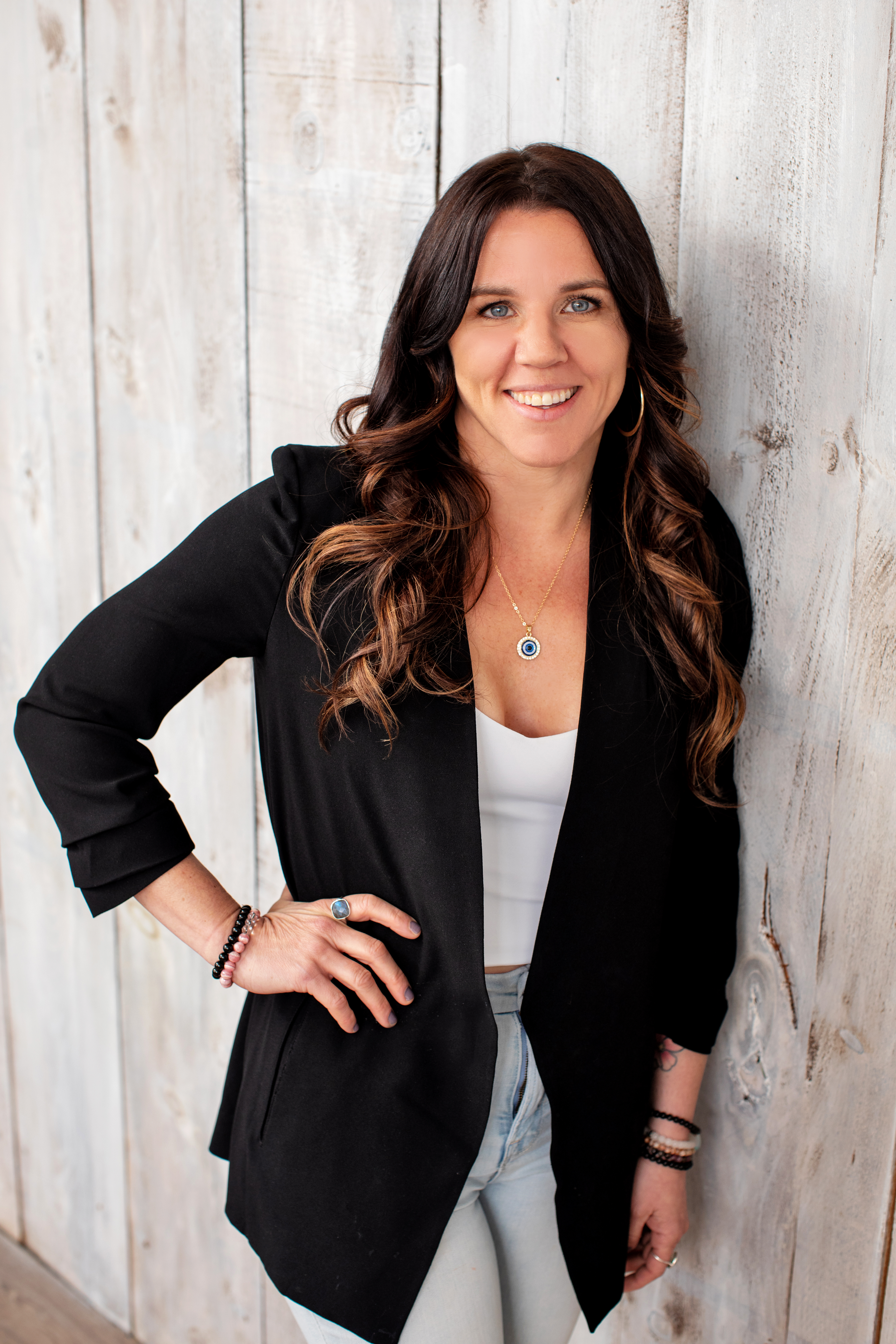
Registered Massage Therapist · Structural Integration Therapist, Co-Founder
Crystal Tait, RMT
Co-founded the clinic in 2016 and has built her practice around fascial and structural work. Assesses every new structural integration patient personally and carries the ten-session series from start to finish for most patients.
Credentials+
- • Registered with the College of Massage Therapists of Ontario
- • Structural Integration Therapist (Ida Rolf method)
- • Certified Fascial Therapist and craniosacral practitioner
Steps to your first consultation.
Step Two
Your first session runs sixty to ninety minutes. Your therapist reviews your history, evaluates standing posture and gait, photographs posture for baseline tracking, and assesses the regions implicated in your pattern. The recommendation on the full series or targeted individual sessions is given before the hands-on work begins.
Step One
No referral required. Book at essentialchirormt.janeapp.com or call 905-856-2299. Same-week appointments are typically available.
Step Three
Follow-up sessions are typically scheduled one to two weeks apart across the series, so the body can integrate between visits. The full ten-session program is the most complete path. Targeted individual sessions are also available when the assessment finds a localized pattern that does not call for the full series.
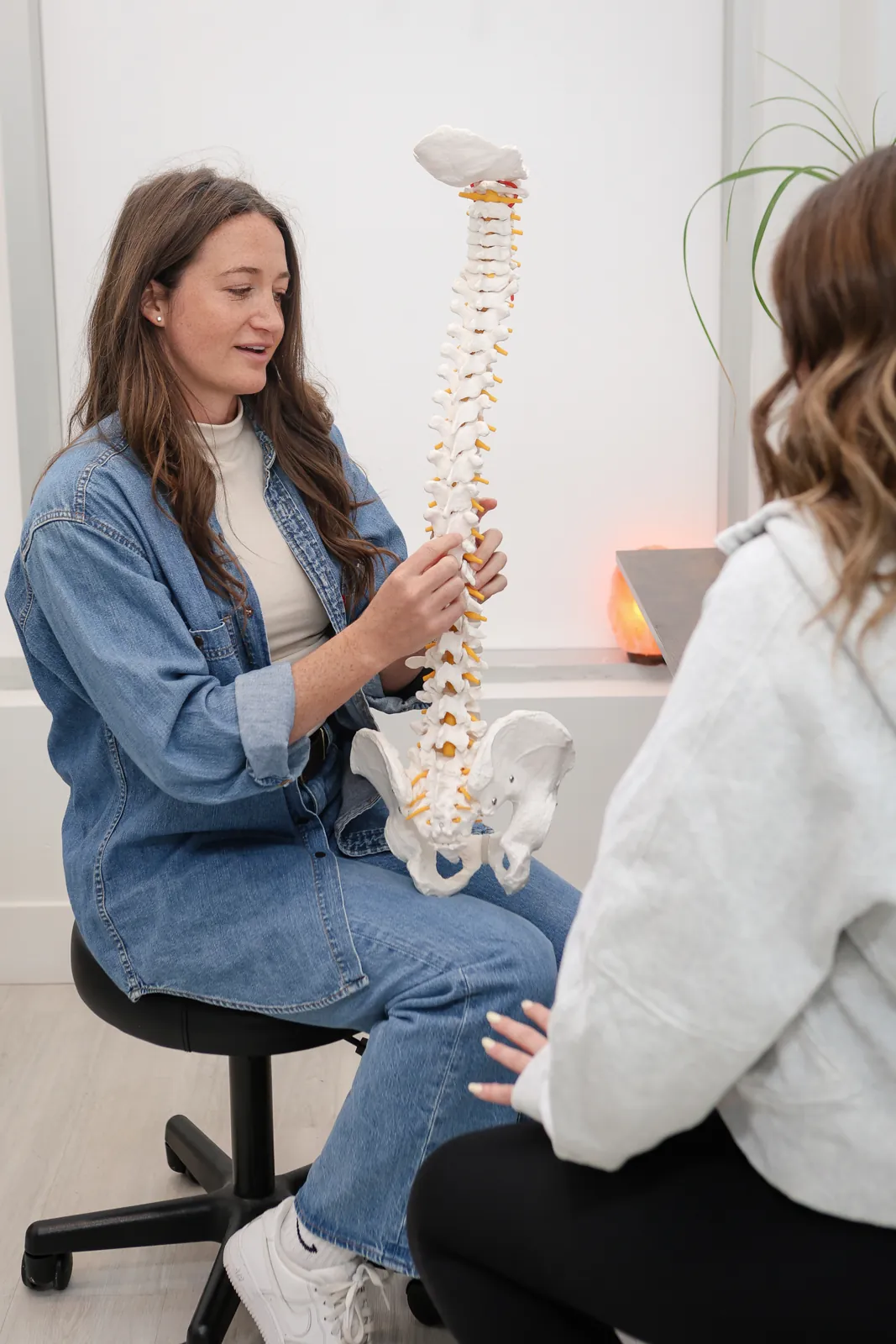
Related treatments
Treatments our practitioners commonly pair with Structural Integration, and the concerns they are chosen for.
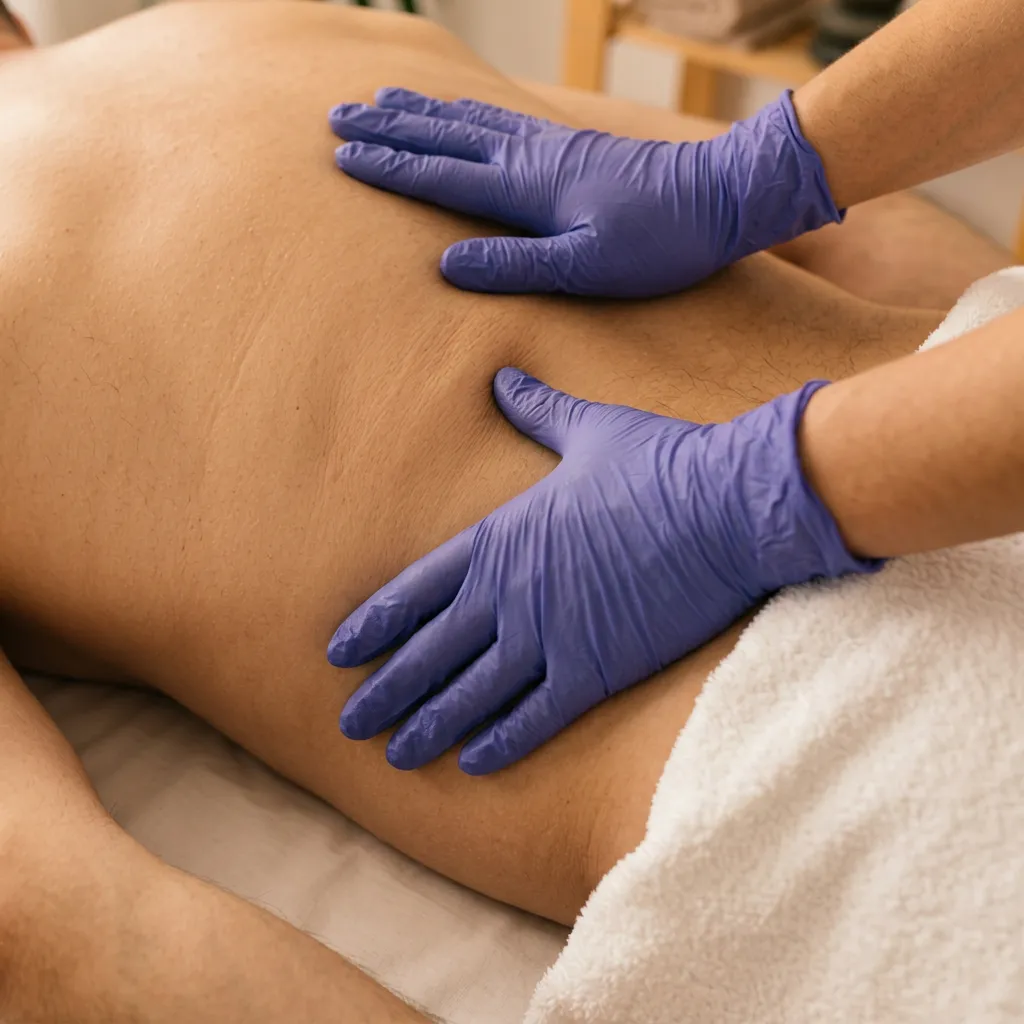
Massage
Registered Massage Therapy
Seven CMTO-regulated RMTs covering deep tissue, Swedish, sports, structural integration, lymphatic drainage, and more.
View Registered Massage Therapy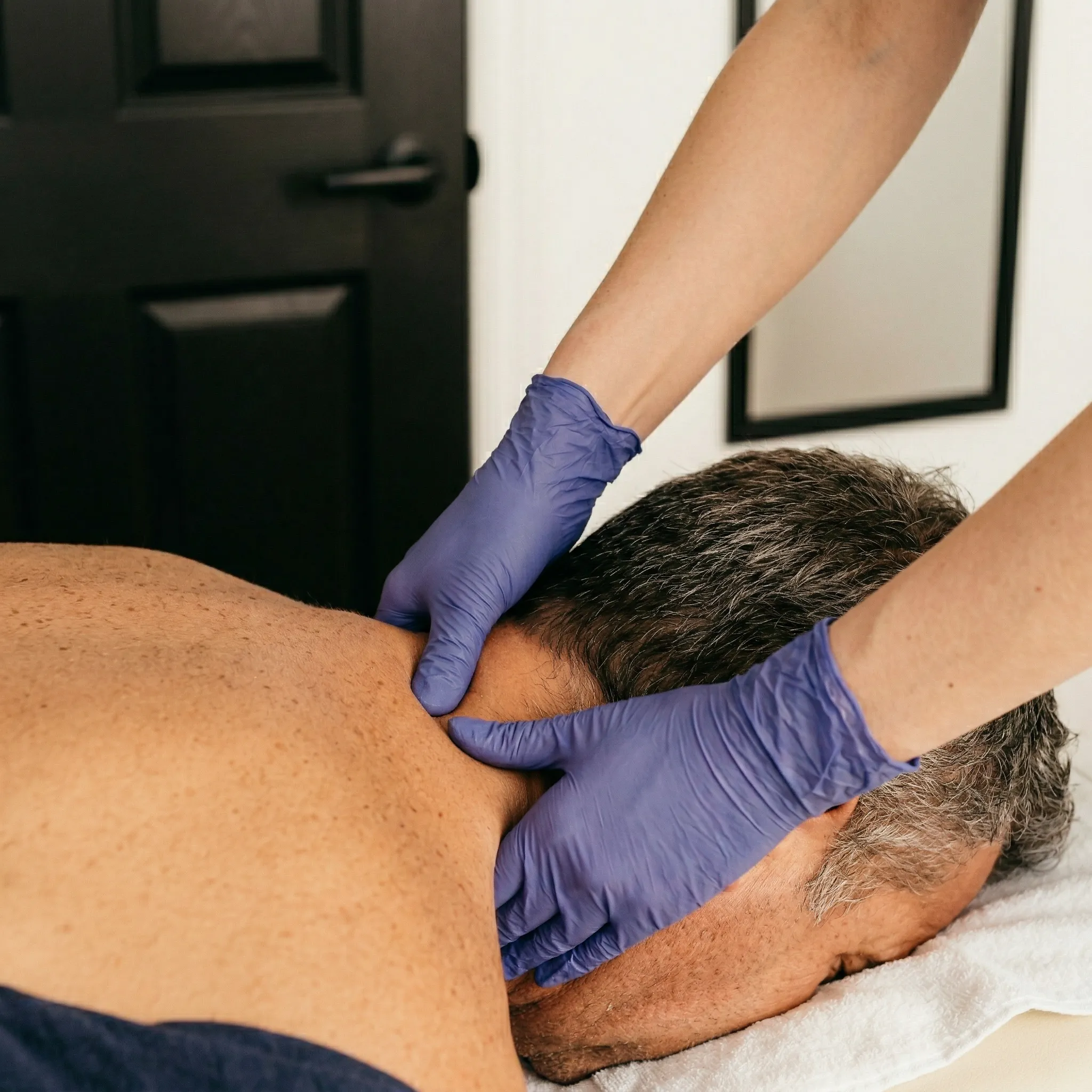
Physio & Rehab
Physiotherapy
Manual therapy, exercise prescription, and rehab by Ramandeep Singh, MScPT. Sports, orthopedic, and post-surgical recovery.
View Physiotherapy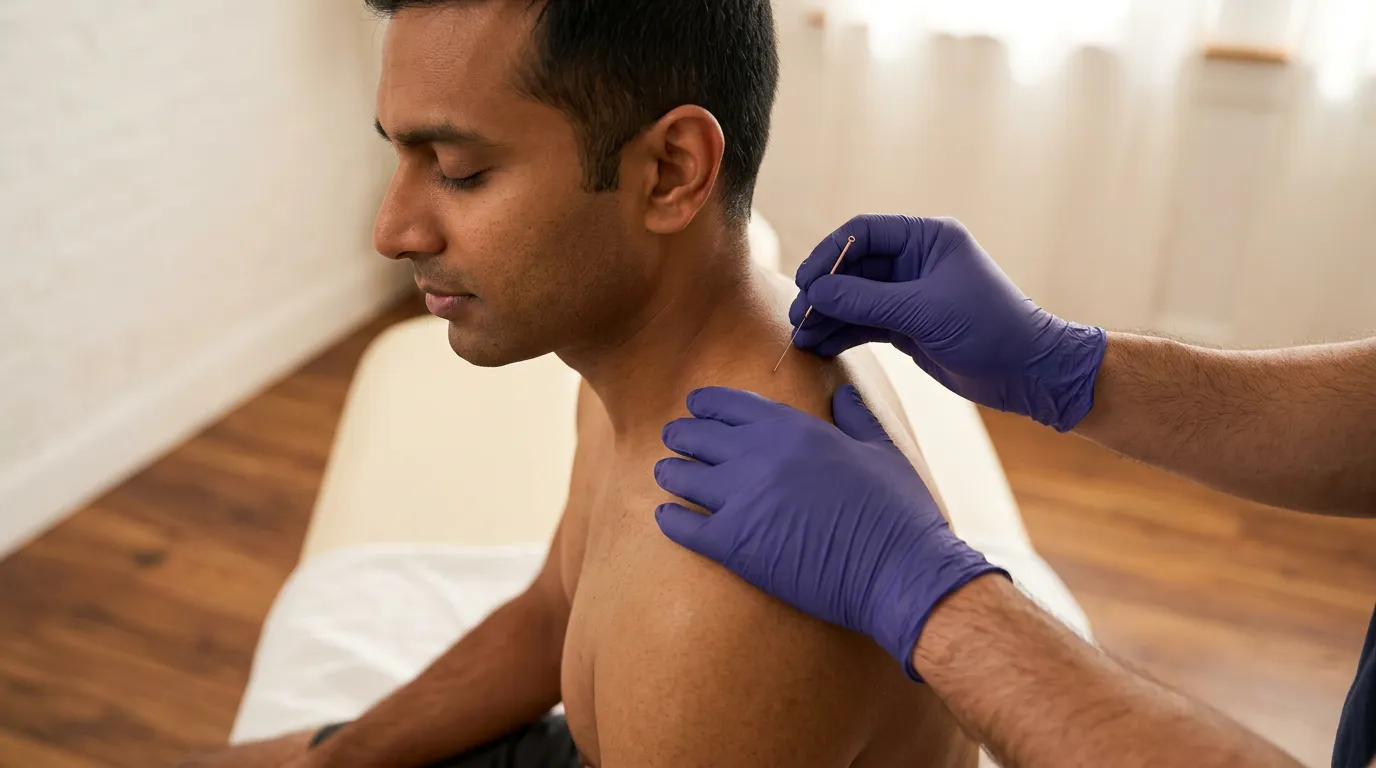
Physio & Rehab
Dry Needling
Targeted needling for chronic muscle tension and trigger points that have not responded to manual therapy alone.
View Dry Needling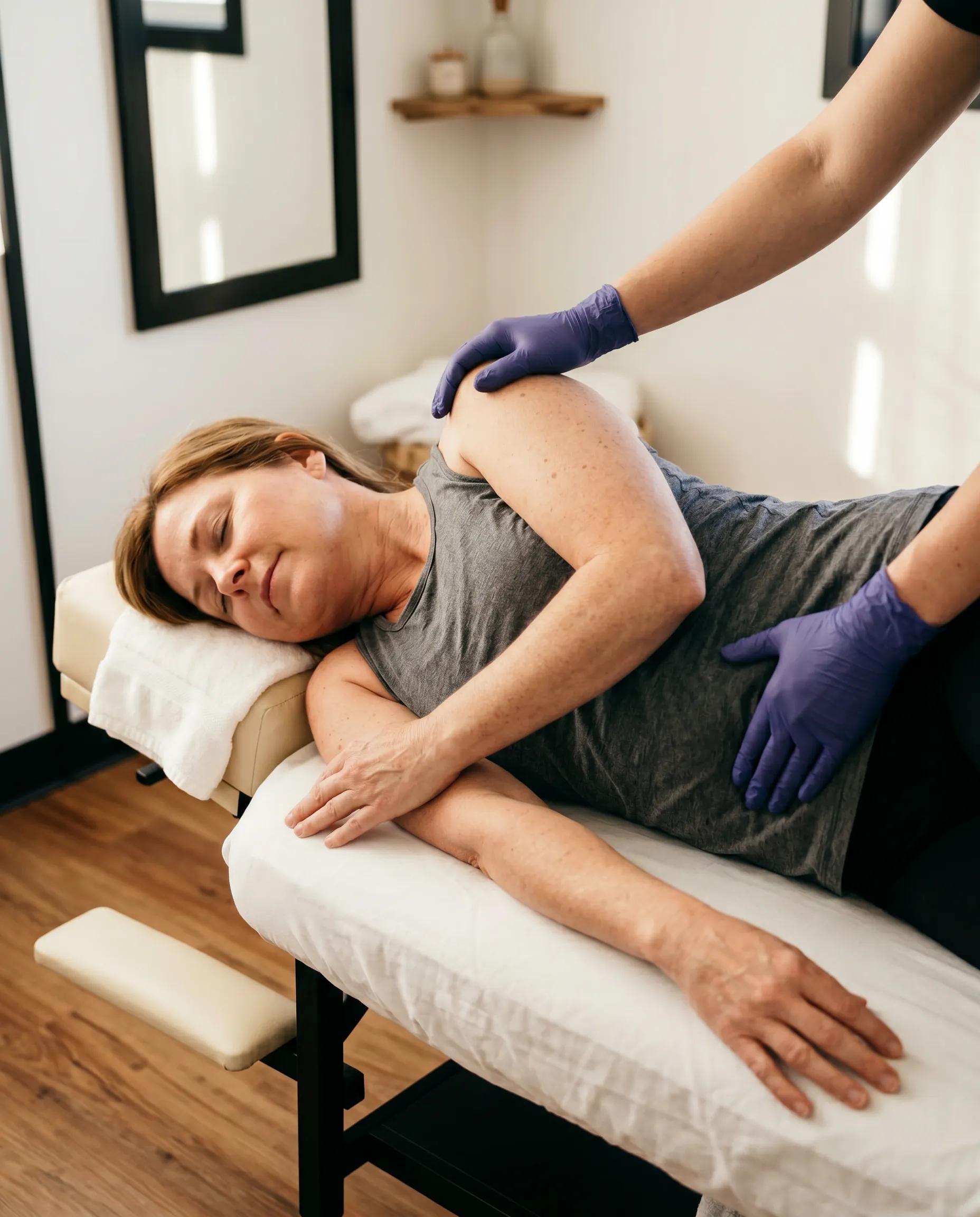
Chiropractic
Chiropractic Care
Spinal assessment and adjustment by three CCO-registered chiropractors. Diversified, Thompson Drop, Graston, ART, and more.
View Chiropractic Care
Massage
Deep Tissue Massage
Sustained pressure into the deeper layers of muscle and connective tissue. For chronic tension that surface massage has not resolved.
View Deep Tissue Massage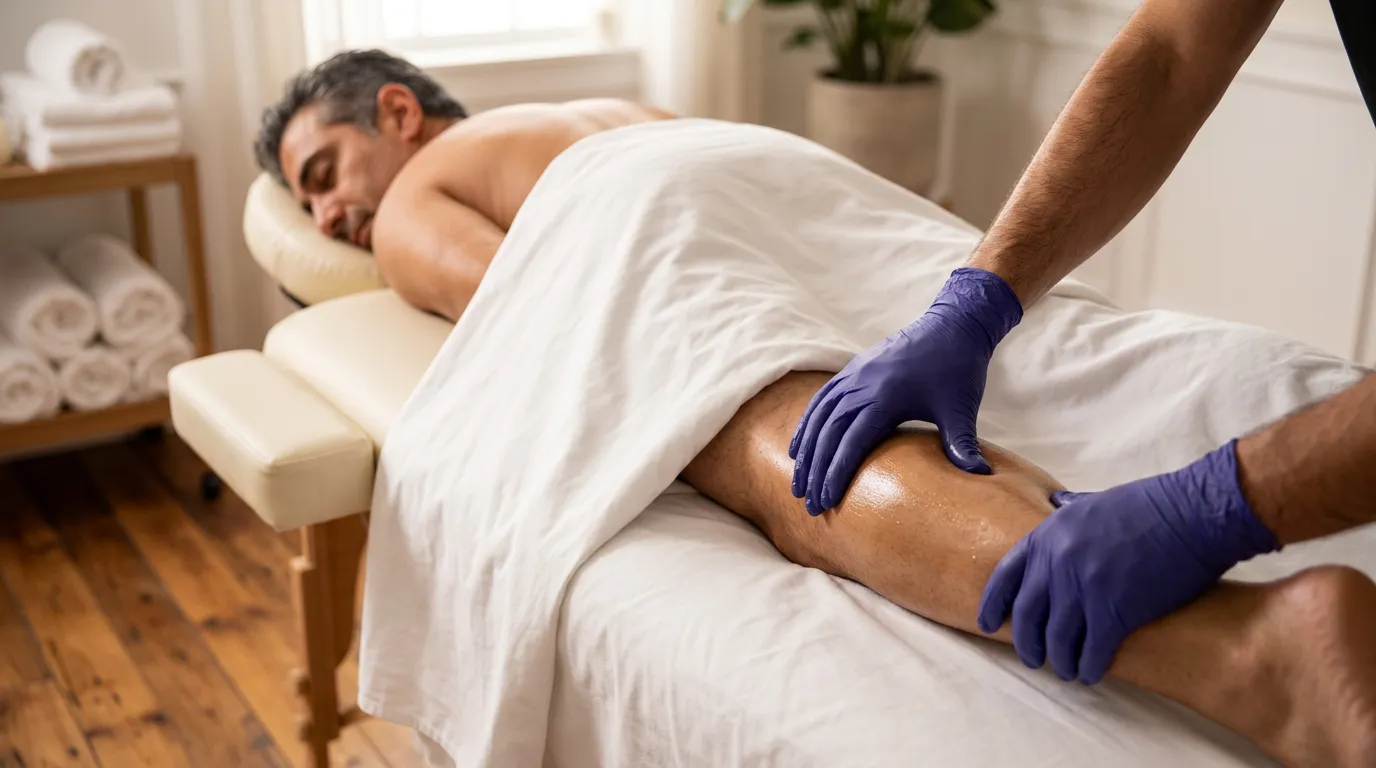
Massage
Swedish Massage
Foundational therapeutic massage. Long strokes, kneading, circulation work to reduce muscular tension and support recovery.
View Swedish Massage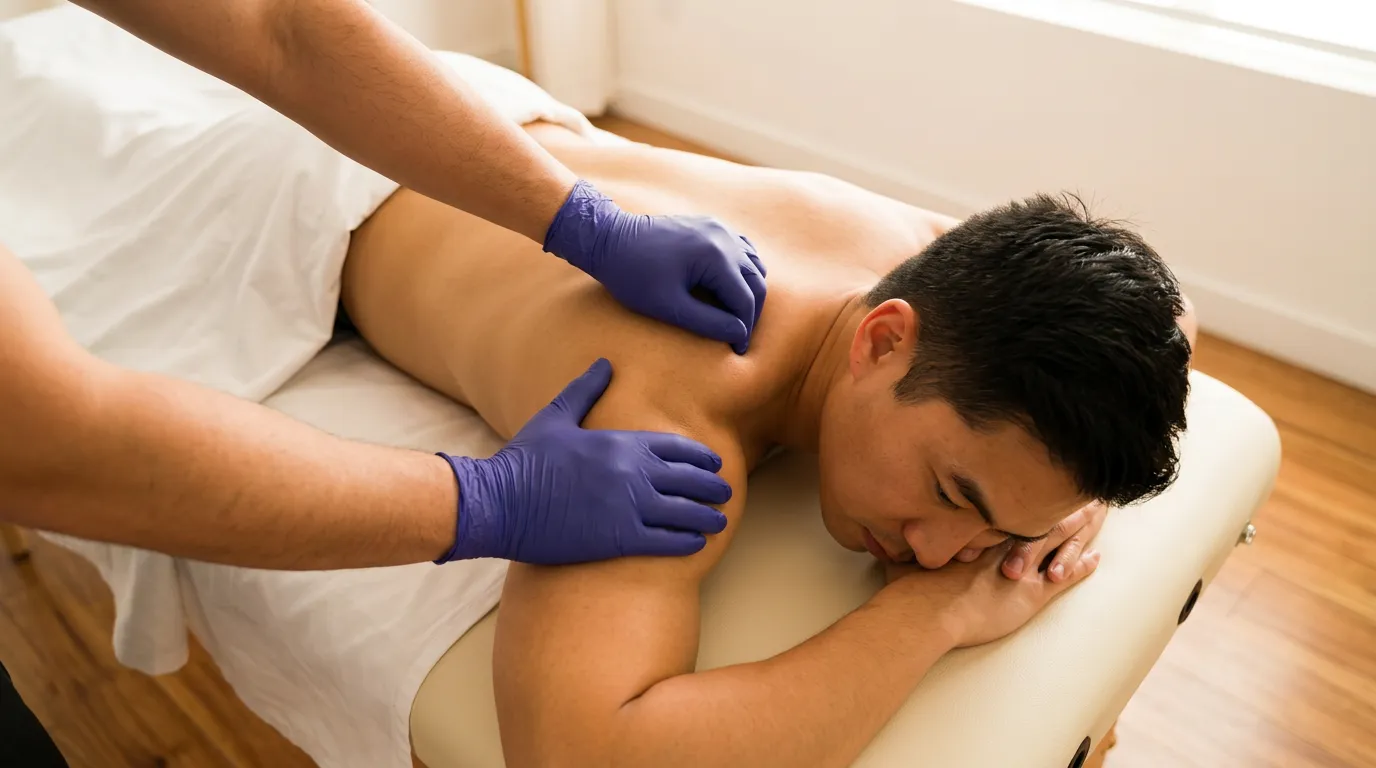
Massage
Sports Massage
Pre- and post-event work, recovery, and overuse-injury treatment for athletes and active patients across Vaughan.
View Sports Massage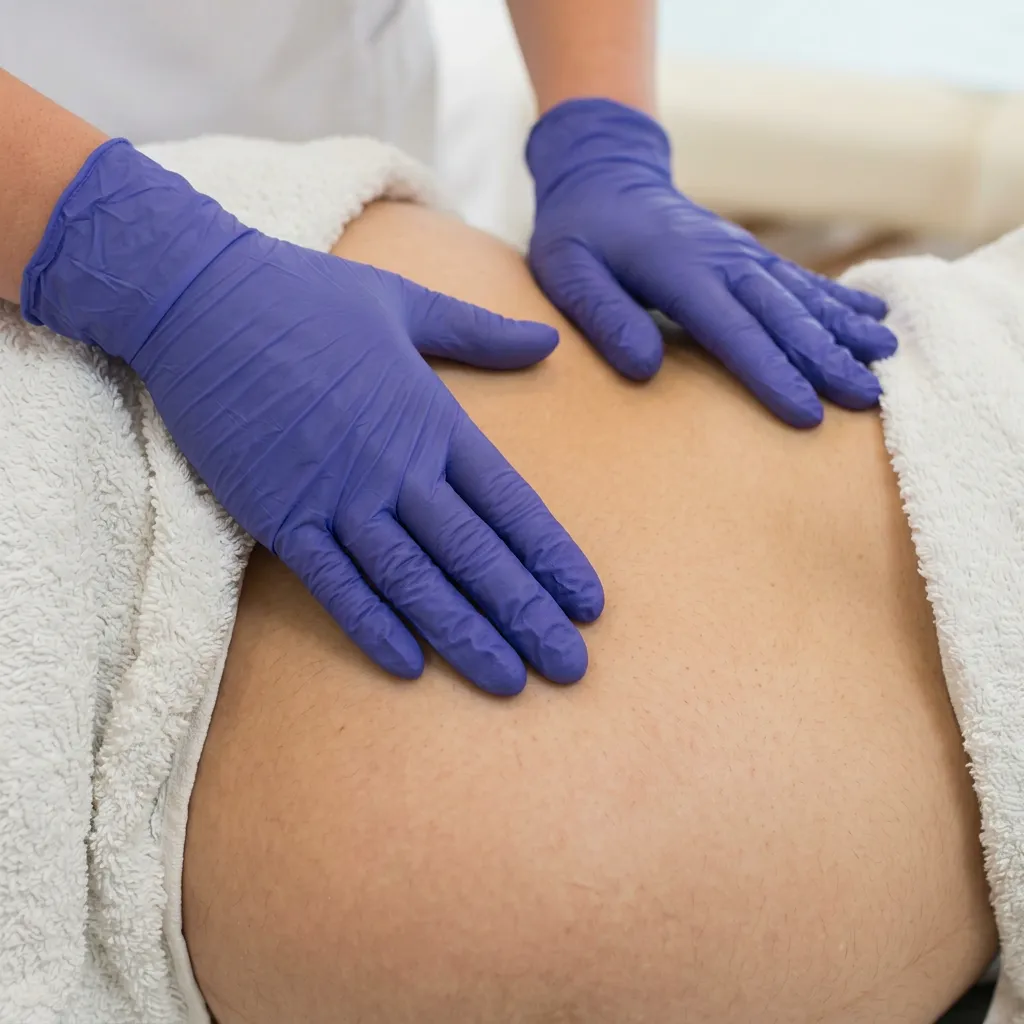
Massage
Prenatal Massage
Certified care across all three trimesters and postpartum. Safe positioning and pregnancy-adapted technique.
View Prenatal Massage
Treating a specific concern? Read how we assess and treat back pain and muscle pain and tension.
Not sure where to start?
Start with what you notice.
You do not need to know which discipline treats your concern. We figure that out on your first visit.
Conditions & Concerns
Pain & Injury
Back Pain
Tap to learn morePain & Injury
Back Pain
Rest helps for a day. Stretching helps for an hour. Four disciplines under one roof assess what is actually driving the pain.

Pain & Injury
Neck Pain & Stiffness
Tap to learn morePain & Injury
Neck Pain & Stiffness
Stiff in the morning, sore by midday. A cervical assessment identifies whether the source is disc, joint, muscle, or nerve before treatment begins.
Pain & Injury
Sciatica
Tap to learn morePain & Injury
Sciatica
Starts in your lower back. Burns down the back of your leg. Sciatica has a specific source, finding it is the first step.
Pain & Injury
Sports Injuries
Tap to learn morePain & Injury
Sports Injuries
Something gave during the game, or an ache built up over weeks. Accurate assessment first, then a plan to get you back to full activity.

Pain & Injury
Muscle Pain & Tension
Tap to learn morePain & Injury
Muscle Pain & Tension
Your shoulders are concrete by 3 PM. The knots never fully release. Tension that keeps returning has an underlying cause, assessment finds it.

Pain & Injury
Headaches & Migraines
Tap to learn morePain & Injury
Headaches & Migraines
Pressure behind your eyes every afternoon. The Advil takes the edge off. Recurring headaches are not something to manage with painkillers indefinitely.
What patients say about Structural Integration
4.9 stars across 407 Google reviews. The feedback is consistent: thorough assessments, clear communication, and care that addresses the real concern.
“Crystal was recommended to me about two years ago and wish it had been sooner. She is very professional in her approach, quickly identifies problem areas and knows how to fix them. I developed very painful left shoulder and elbow joints due to some work I was doing and used painkillers until my next visit. Within a few visits, Crystal rid me of all pain.”
Ready to start your structural integration series?
Same-week structural integration consultations in Vaughan are typically available. Online booking takes about ninety seconds. No referral required. Direct billing for most major Ontario extended health insurers that cover registered massage therapy.