



Myofascial Release Therapy
Myofascial release for chronic pain patterns and tissue restrictions that have not cleared under standard massage. Hands plant on the restriction without oil or gliding, and the fascia is allowed to soften on its own timeline. Led by Crystal Tait, RMT and Structural Integration Therapist, with several RMTs on staff trained in the technique. All licensed by the College of Massage Therapists of Ontario and eligible for direct billing through your extended health plan.
4.9 Stars · 407 Reviews
Concerns Myofascial Release Therapy Treats

Muscle Pain & Tension
The hip pattern that releases for a week and rebuilds. The shoulder restriction that returns six visits after standard massage. Patterns that recur in the same location usually have a fascial layer beneath the muscle that surface work cannot reach.
Treatments+
Sustained holds at the restricted fascial points identified during assessment. Three to five minutes per area, no oil, no gliding. The work follows the fascial line rather than the surface symptom.
Causes+
The muscle relaxes for the session, but the densified fascia beneath it pulls the holding pattern back. The deeper connective-tissue layer has lost glide and keeps the structure above it locked in place.
What every appointment looks like.
Every step is dialled to your fascial assessment, presenting pattern, and tissue response, on the day.
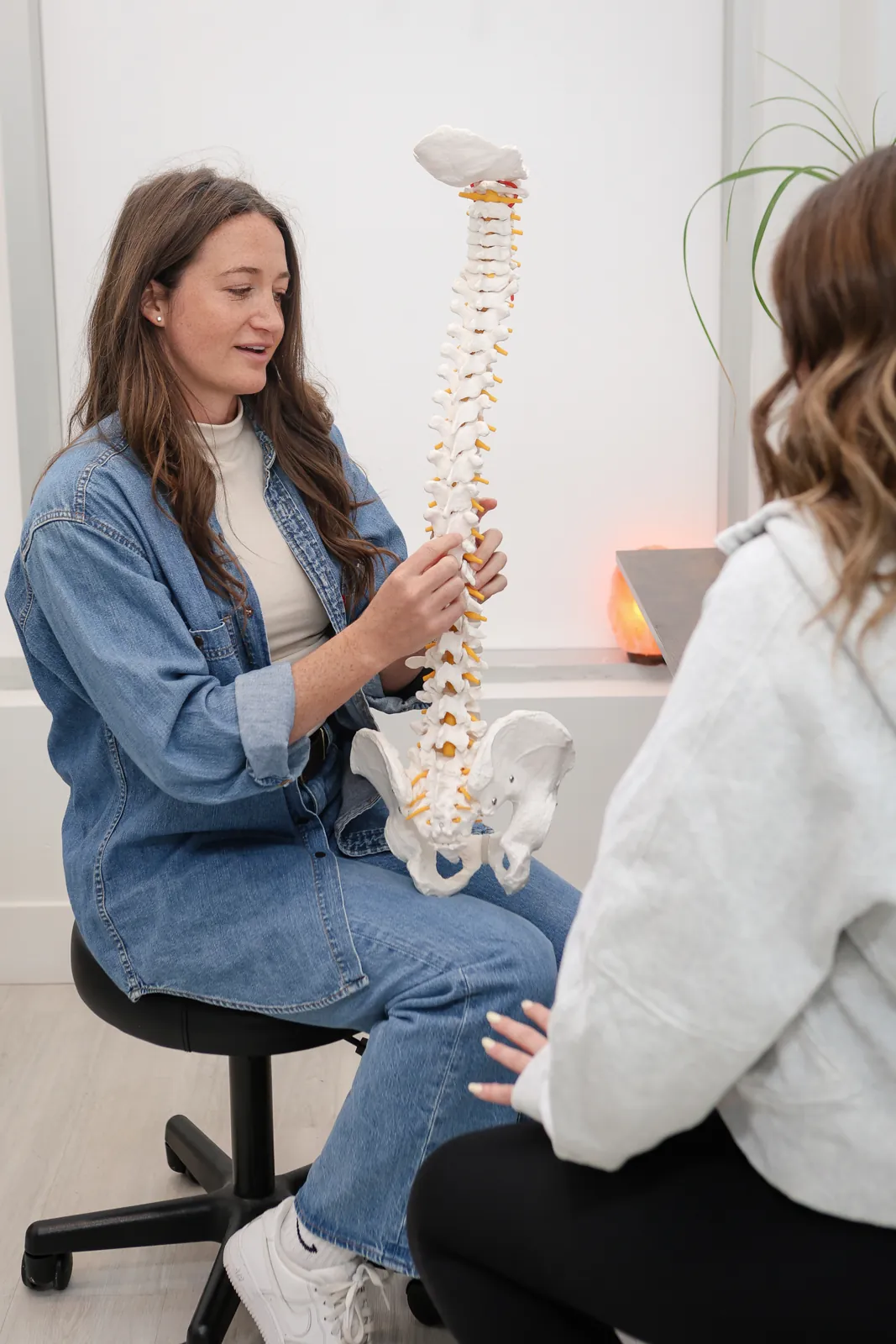
Your RMT reviews your history, prior injuries, surgeries, and what you have already tried. The exam looks at posture, tests range of motion in the relevant segments, and palpates slowly to find where the restriction actually sits. The assessment is itself part of the work, not a separate step. Tissue glide testing maps the fascial line before the hands settle in.
Details+
- • History, prior injuries, surgeries, and what has already been tried
- • Posture and range of motion in the involved segments
- • Slow palpation to locate the actual restriction, not the symptom site
- • Tissue glide testing along the suspected fascial line

When Myofascial Release Isn't the Right First Call
Red flags and contraindications
Acute fracture or recent injury without medical clearance. Severe osteoporosis in the target region. Deep vein thrombosis or anticoagulant use without clearance from your physician. Active infection, severe systemic illness, or fragile-skin and connective-tissue disorders. Severe sudden-onset pain after a fall or impact. Numbness, weakness, or loss of bladder or bowel control should be screened by your physician first.
We screen at intake
Your RMT screens for contraindications at intake. Pressure is dialled to your case, not to a protocol. If anything in your history calls for clearance, the recommendation is to see your physician first. Then return for fascial work once the underlying cause has been ruled out or treated. Appropriate scope of practice, not a hedge.
Sometimes another modality is the better start
Acute muscle tension and trigger-point patterns often respond faster to deep tissue massage as the lead. Whole-pattern postural overhauls may suit Structural Integration as the framing modality. Movement-deficit cases where strength and motor control are the missing piece tend to lead with physiotherapy. Your RMT will tell you that directly at intake if it applies.
Fascia-trained Registered Massage Therapists. One assessment-first standard.
Crystal Tait leads the fascial work at the clinic and is a Structural Integration Therapist trained in the Rolf method. Both assess the fascial system as a connected whole, and care coordinates with the chiropractic, physiotherapy, and osteopathy teams when the pattern calls for more than one lens.

Registered Massage Therapist · Structural Integration Therapist
Crystal Tait, RMT
Co-founded Essential Health and built her practice around the principle that fascia, not muscle, holds most chronic patterns. Typically sought out for long-standing restriction, postural complaints, and post-surgical adhesions where standard massage has not changed the pattern.
Credentials+
- • Registered Massage Therapist (CMTO)
- • Structural Integration Therapist (Rolf method)
- • Fascial Therapist
- • Medical Laser Technician

Registered Massage Therapist
Rupa Mistry, RMT
Therapeutic practice with a steady fascial-work component, particularly for patients whose recurring patterns layer over Brazilian lymphatic drainage or general therapeutic massage. Reads tissue response carefully and dials pressure to the case.
Credentials+
- • Registered Massage Therapist (CMTO)
- • Brazilian lymphatic drainage certified
- • Therapeutic and fascial techniques
Steps to your first consultation.
Step Two
Your first session runs sixty to seventy-five minutes. Your RMT reviews your history, looks at posture, tests range of motion, and palpates slowly to find the restriction, which is often not where you feel the pain. Treatment begins the same visit. You leave with hydration and movement guidance, and a realistic cadence for the pattern your tissue is showing.
Step One
No referral required. Book at essentialchirormt.janeapp.com or call 905-856-2299. Same-week appointments are typically available.
Step Three
Most layered fascial patterns respond over four to eight sessions, scheduled every one to two weeks. Acute restrictions may clear faster. Long-held postural patterns sometimes need more work, and then settle into maintenance every three to four weeks. Your RMT reassesses at each visit and adjusts cadence based on what changed since the last session.
Related treatments
Treatments our practitioners commonly pair with Myofascial Release Therapy, and the concerns they are chosen for.
Massage
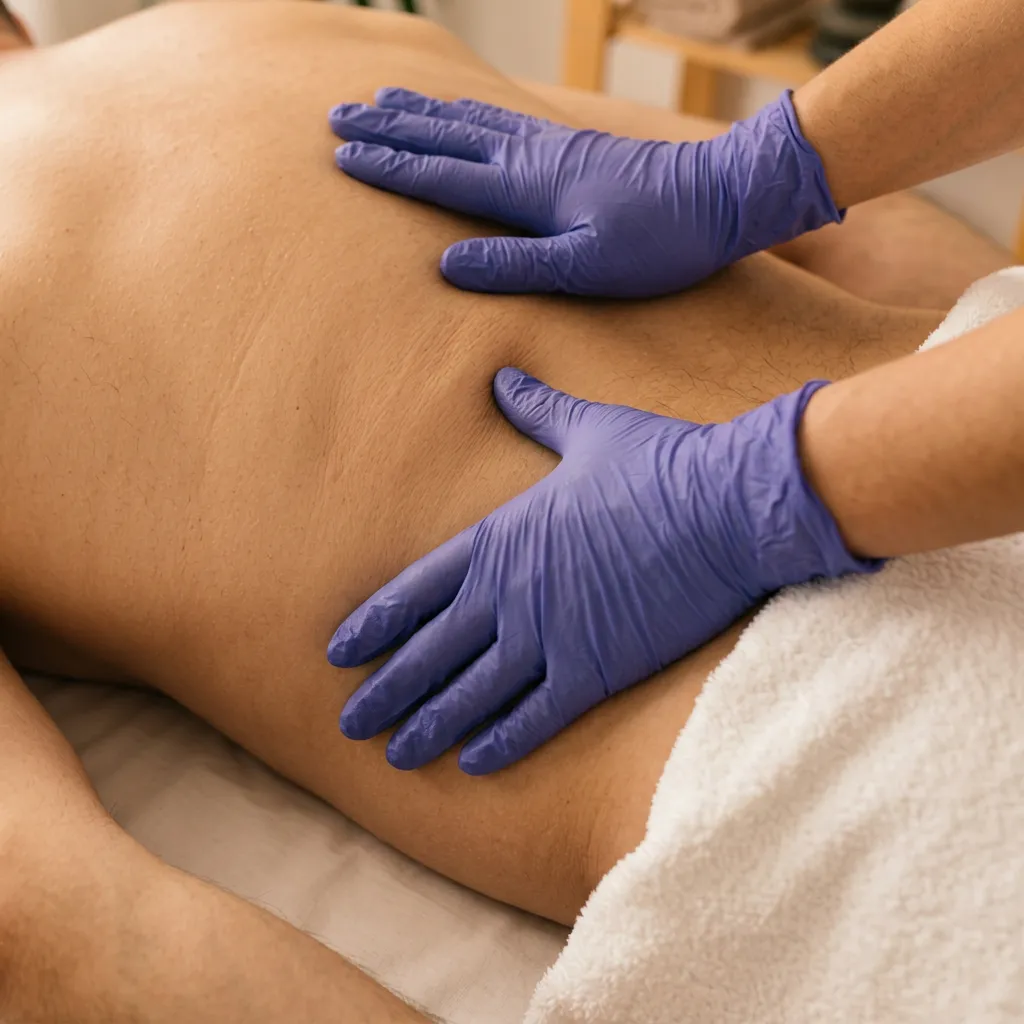
Registered Massage Therapy
Seven CMTO-regulated RMTs covering deep tissue, Swedish, sports, structural integration, lymphatic drainage, and more.
View Registered Massage Therapy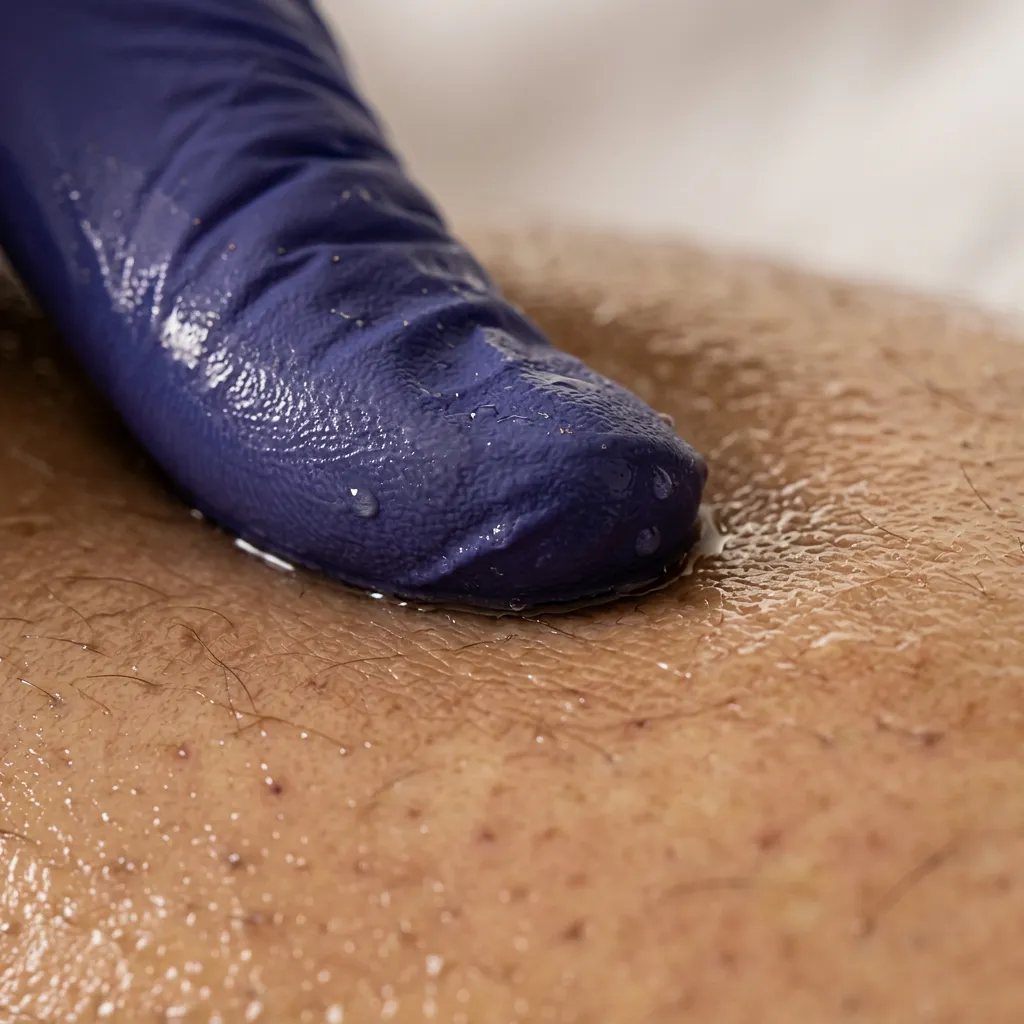
Massage
Deep Tissue Massage
Sustained pressure into the deeper layers of muscle and connective tissue. For chronic tension that surface massage has not resolved.
View Deep Tissue Massage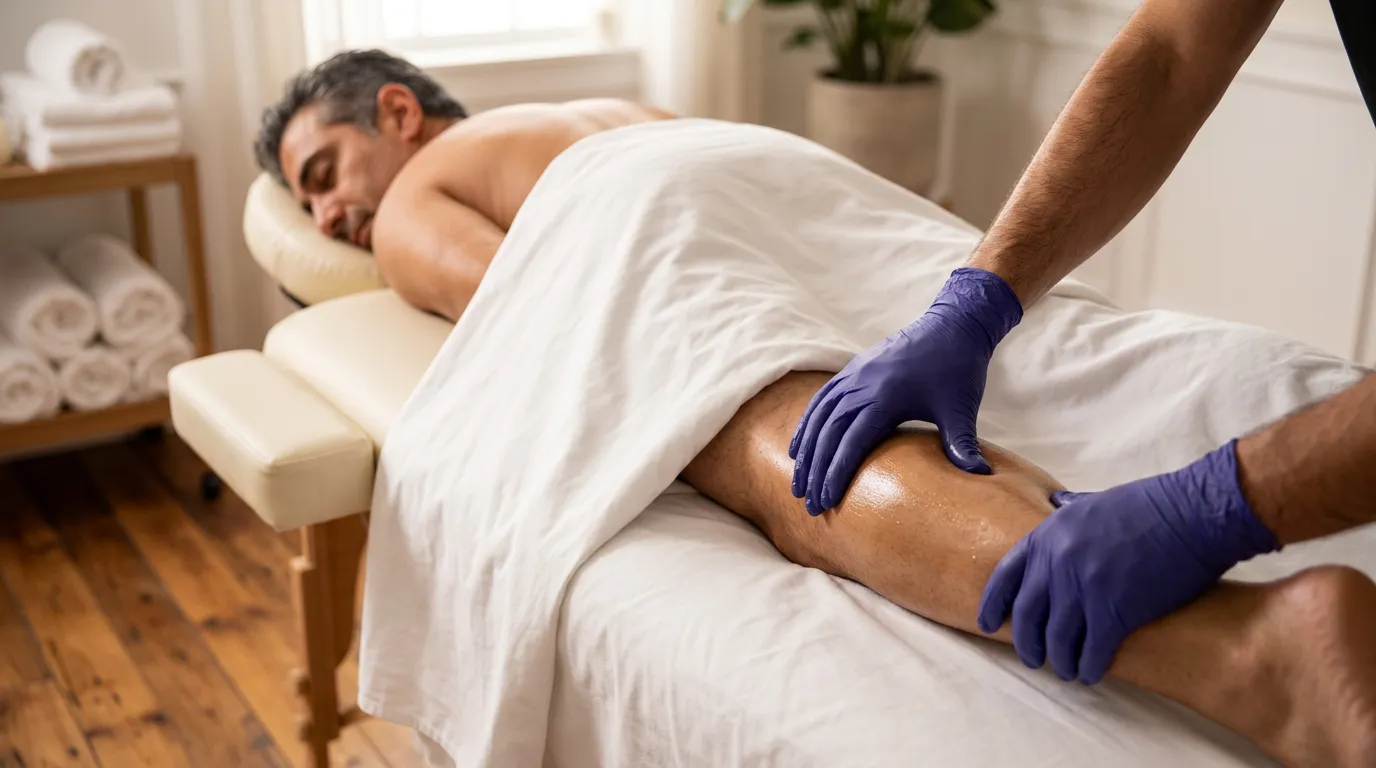
Massage
Swedish Massage
Foundational therapeutic massage. Long strokes, kneading, circulation work to reduce muscular tension and support recovery.
View Swedish Massage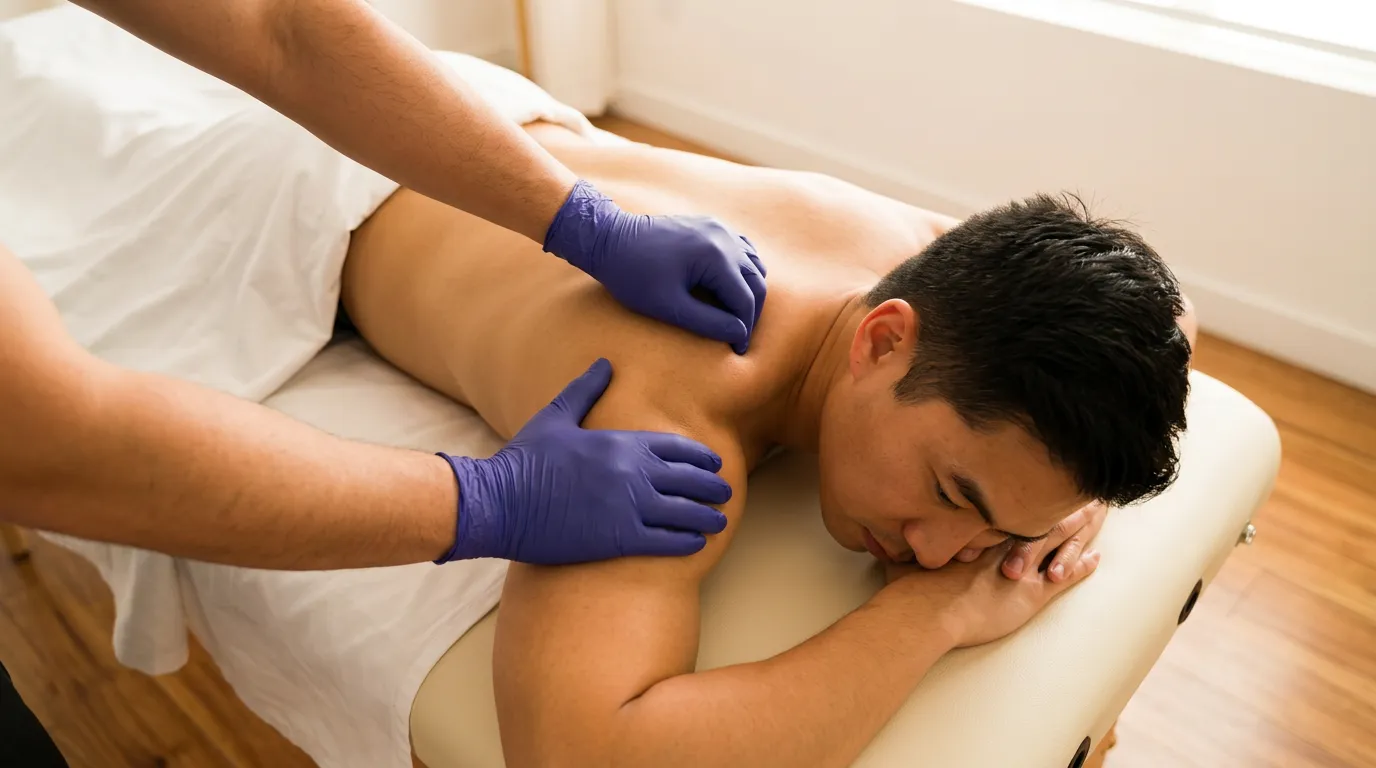
Massage
Sports Massage
Pre- and post-event work, recovery, and overuse-injury treatment for athletes and active patients across Vaughan.
View Sports Massage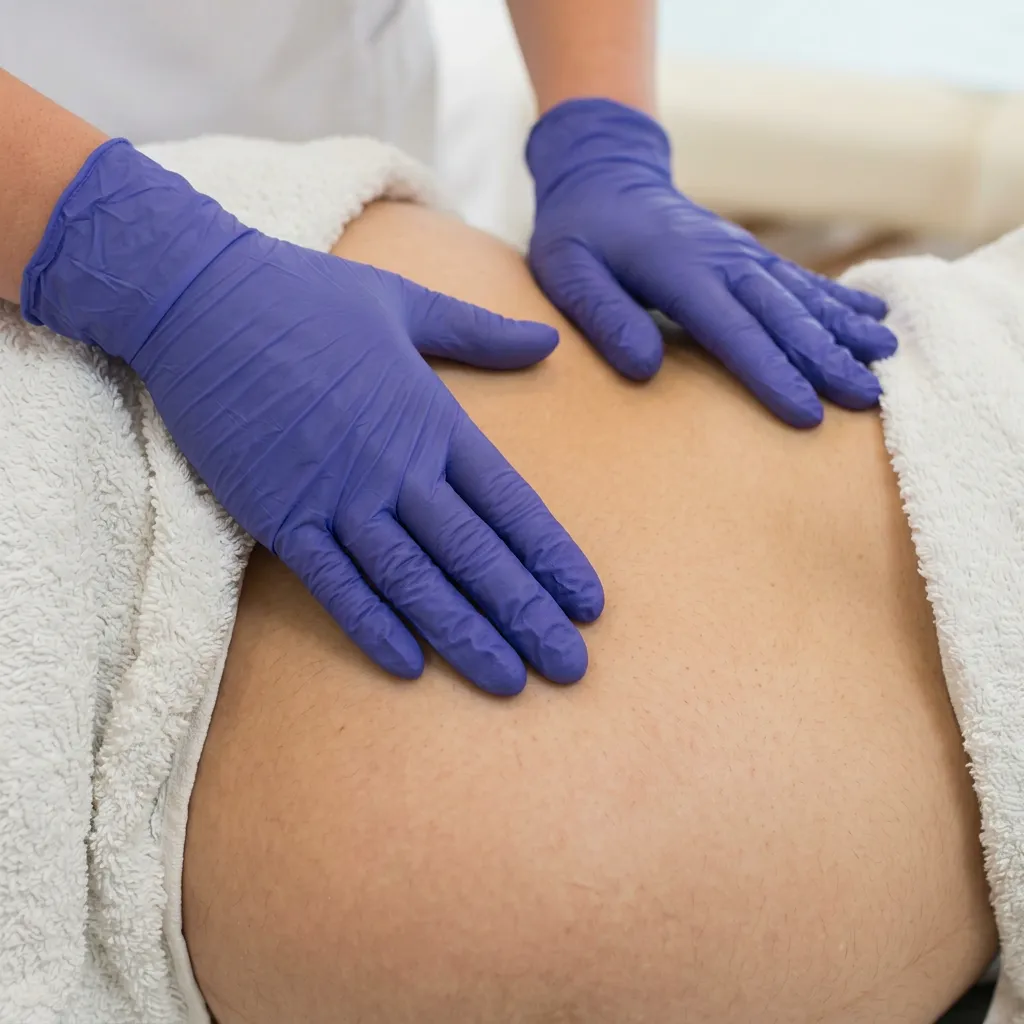
Massage
Prenatal Massage
Certified care across all three trimesters and postpartum. Safe positioning and pregnancy-adapted technique.
View Prenatal Massage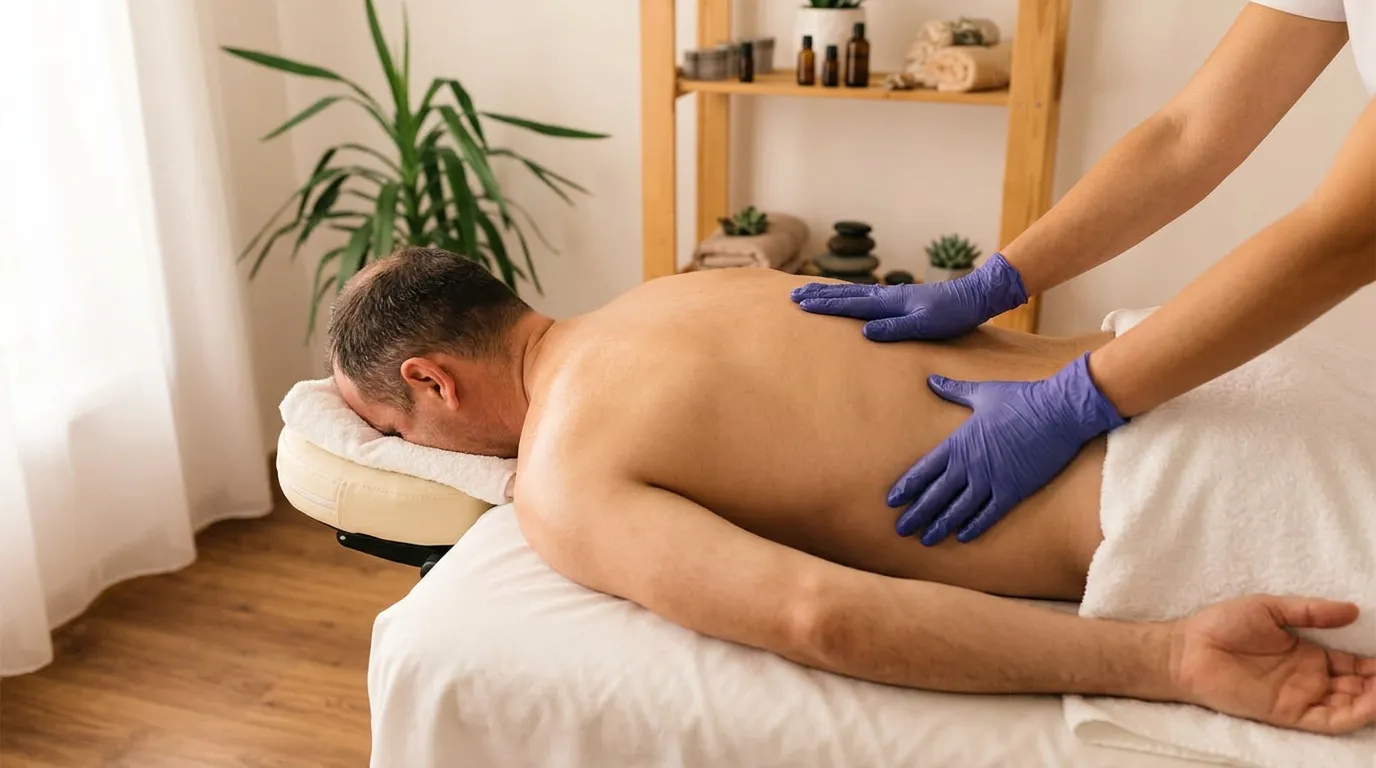
Massage
Structural Integration
Sequenced fascial work for postural patterns, compensation chains, and chronic alignment-driven pain.
View Structural Integration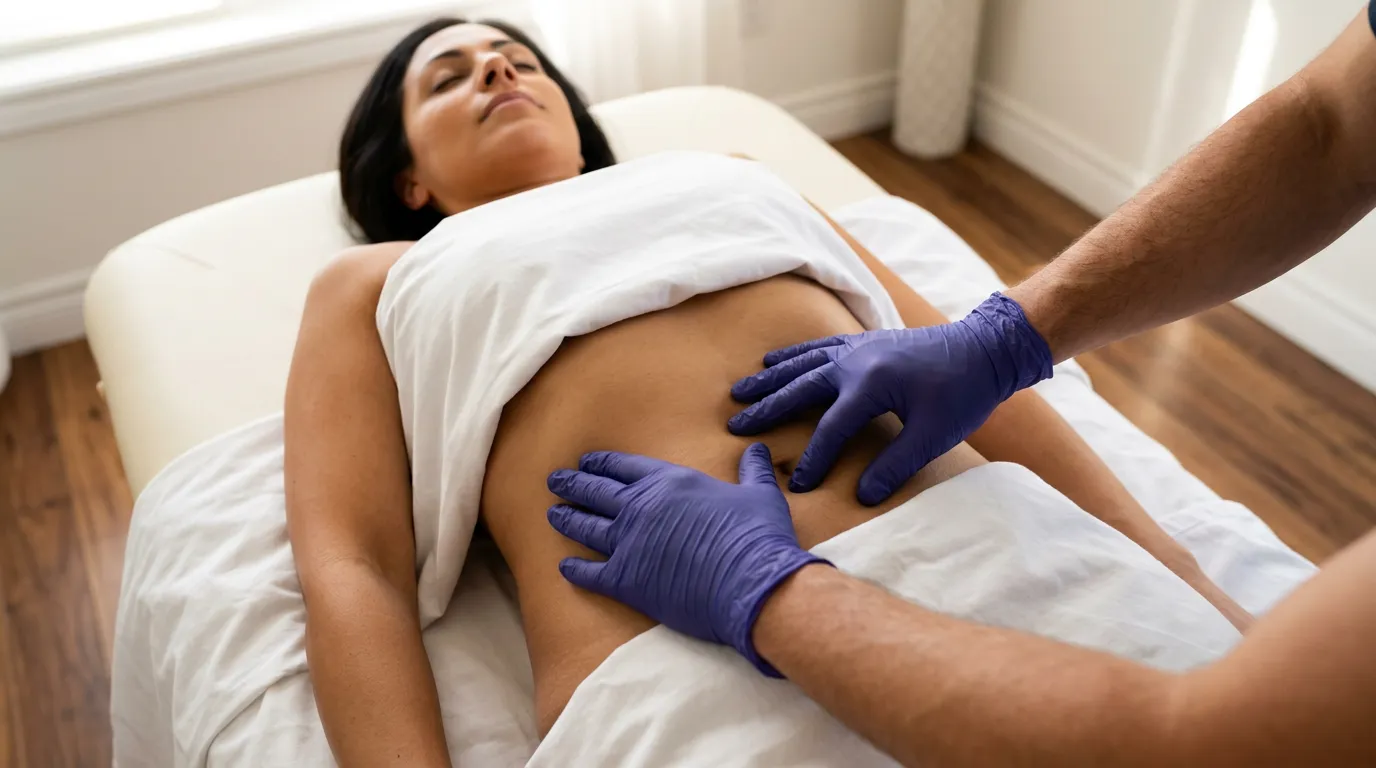
Massage
Craniosacral Therapy
Light-touch technique for nervous system regulation, jaw tension, and post-concussion symptoms.
View Craniosacral Therapy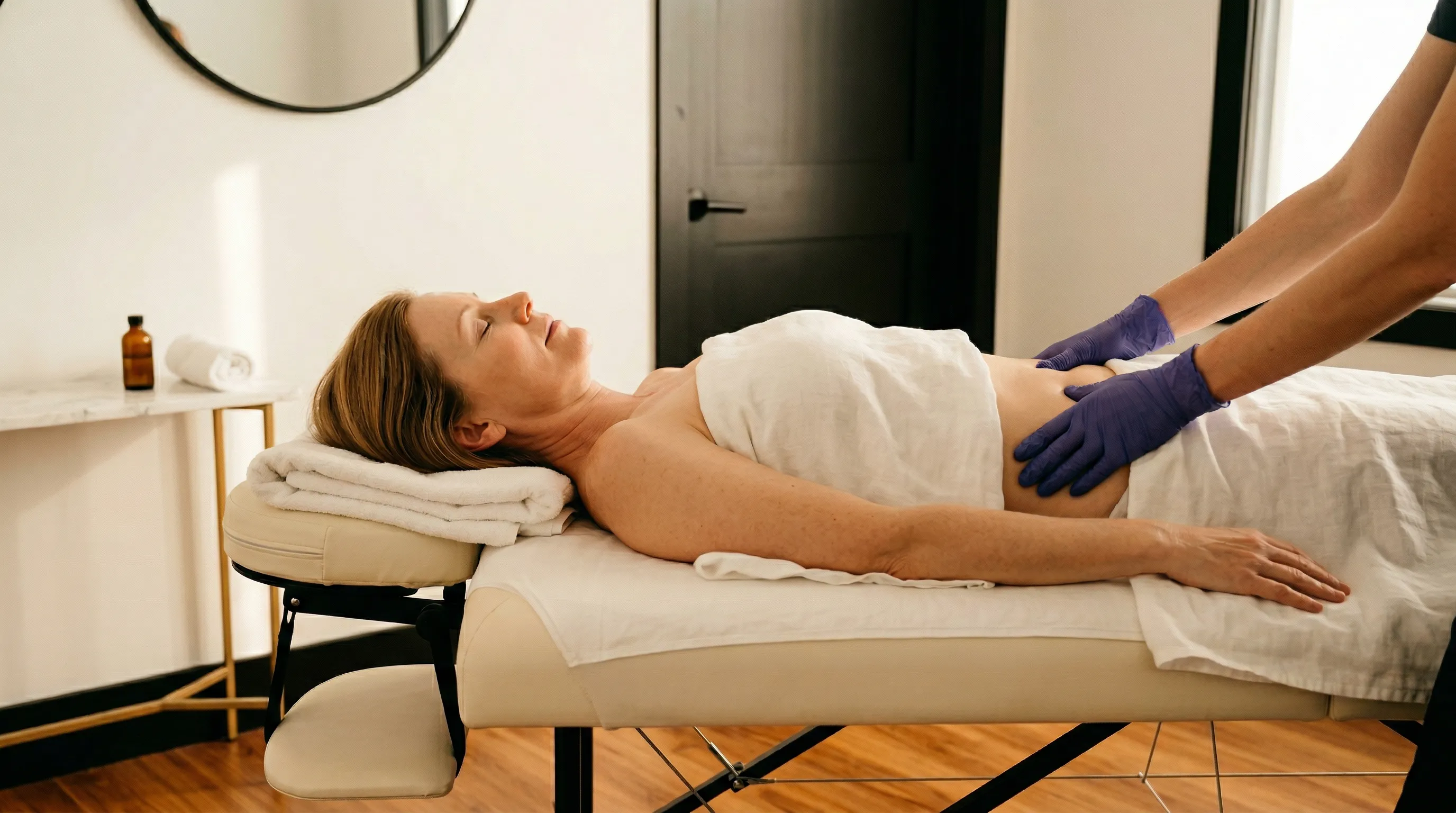
Massage
Visceral Massage
Abdominal manual therapy for digestion-related tension, post-surgical adhesions, and pelvic restriction.
View Visceral Massage
Treating a specific concern? Read how we assess and treat muscle pain and tension and back pain.
Not sure where to start?
Start with what you notice.
You do not need to know which discipline treats your concern. We figure that out on your first visit.
Conditions & Concerns

Pain & Injury
Back Pain
Tap to learn morePain & Injury
Back Pain
Rest helps for a day. Stretching helps for an hour. Four disciplines under one roof assess what is actually driving the pain.

Pain & Injury
Neck Pain & Stiffness
Tap to learn morePain & Injury
Neck Pain & Stiffness
Stiff in the morning, sore by midday. A cervical assessment identifies whether the source is disc, joint, muscle, or nerve before treatment begins.

Pain & Injury
Sciatica
Tap to learn morePain & Injury
Sciatica
Starts in your lower back. Burns down the back of your leg. Sciatica has a specific source, finding it is the first step.
Pain & Injury
Sports Injuries
Tap to learn morePain & Injury
Sports Injuries
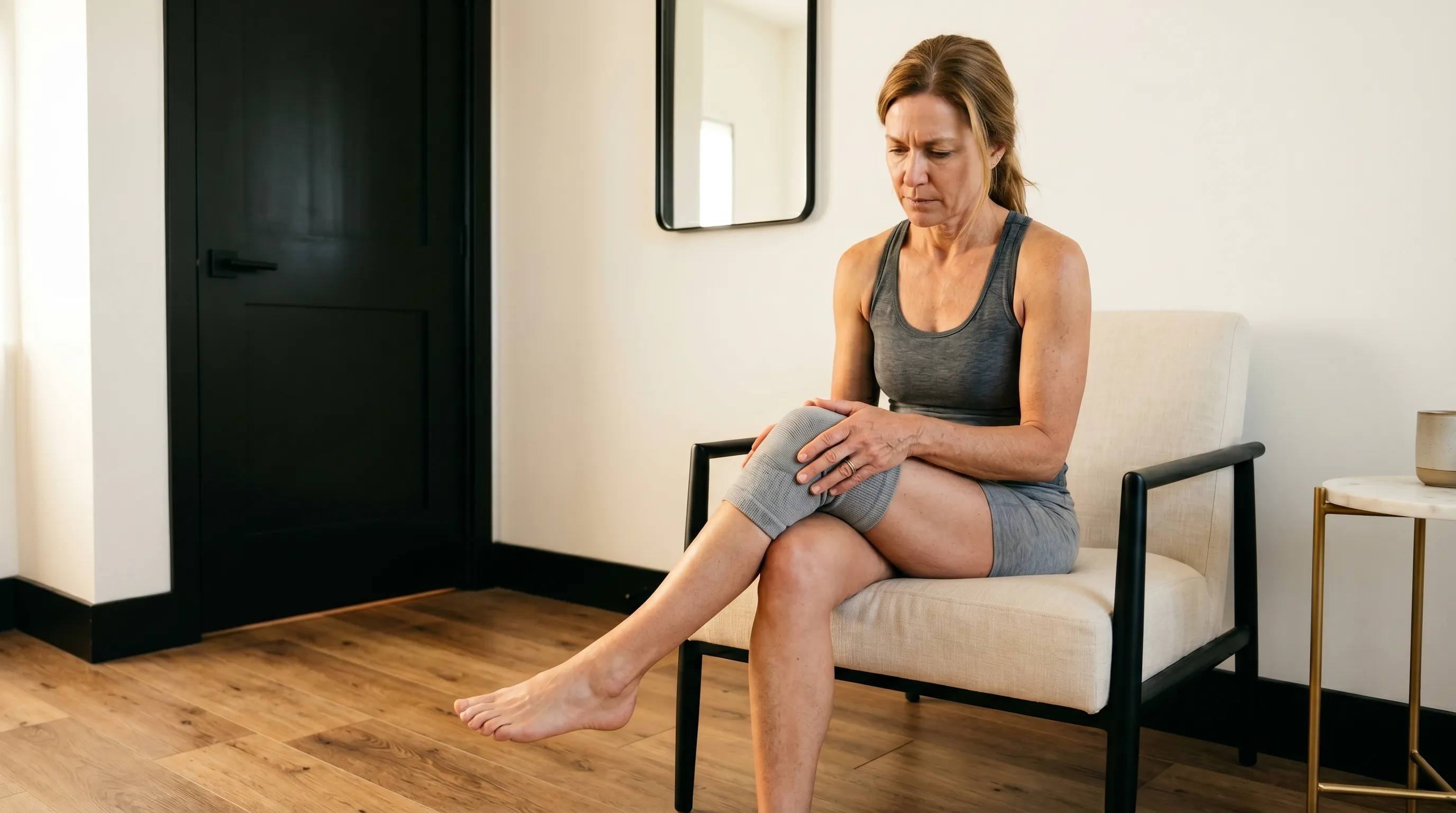
Something gave during the game, or an ache built up over weeks. Accurate assessment first, then a plan to get you back to full activity.

Pain & Injury
Muscle Pain & Tension
Tap to learn morePain & Injury
Muscle Pain & Tension
Your shoulders are concrete by 3 PM. The knots never fully release. Tension that keeps returning has an underlying cause, assessment finds it.

Pain & Injury
Headaches & Migraines
Tap to learn morePain & Injury
Headaches & Migraines
Pressure behind your eyes every afternoon. The Advil takes the edge off. Recurring headaches are not something to manage with painkillers indefinitely.
What patients say about Myofascial Release Therapy
4.9 stars across 407 Google reviews. The feedback is consistent: thorough assessments, clear communication, and care that addresses the real concern.
“Always a great experience coming here! Everyone is so friendly and welcoming, feels like home 😊”
Ready to book your myofascial release session?
Same-week myofascial release appointments in Vaughan are typically available. Online booking takes about ninety seconds. No referral required. Direct billing for most major Ontario extended health insurers, including RMT coverage.