
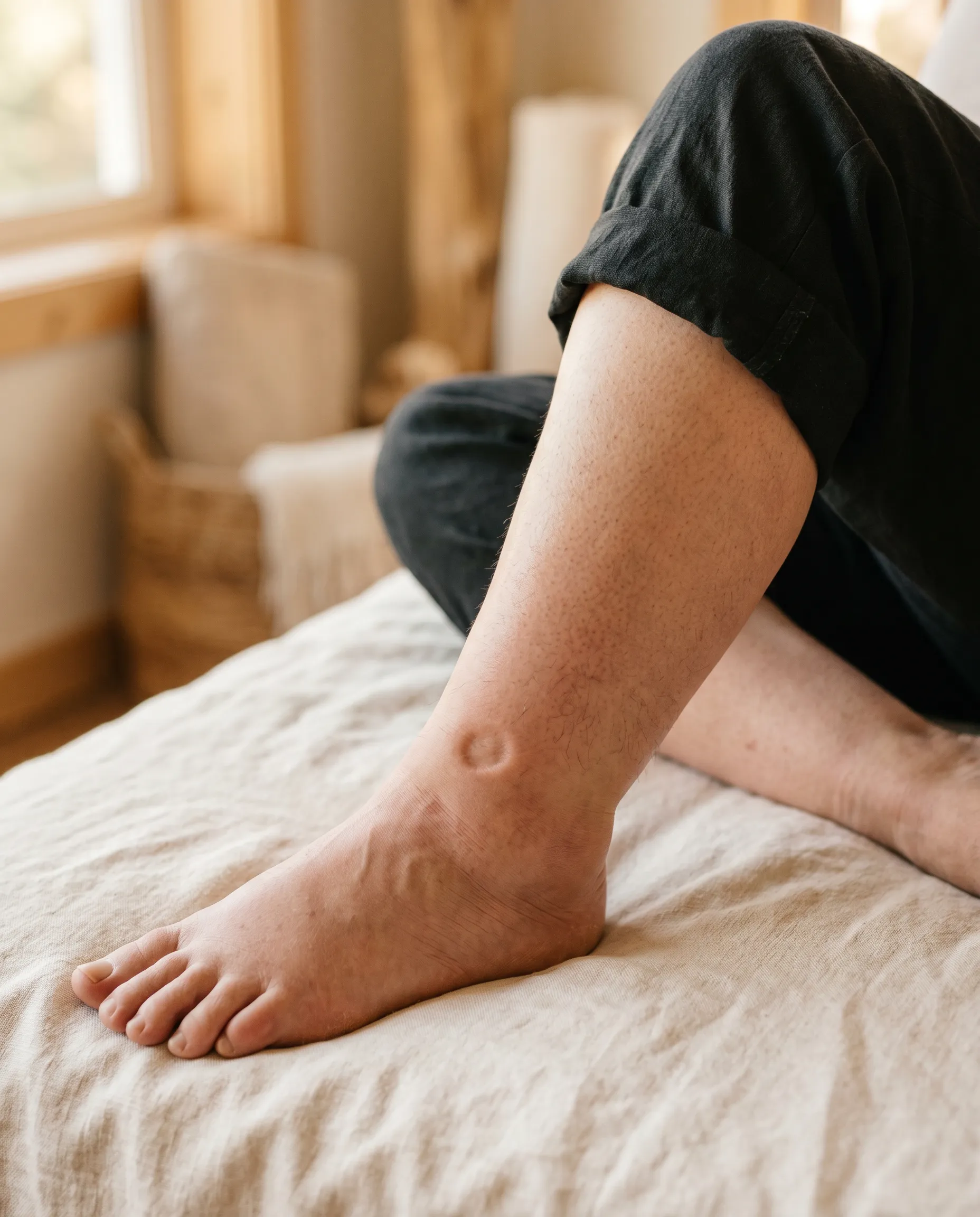
Brazilian lymphatic drainage is a specialized form of manual therapy designed to support recovery after cosmetic surgery. It targets the lymphatic system to reduce swelling, improve circulation, and help the body process the fluid that accumulates after procedures like a Brazilian Butt Lift, liposuction, or tummy tuck. Understanding what this treatment does and who should provide it can make a real difference in your recovery.
What Is the Lymphatic System and Why Does Surgery Affect It?
The lymphatic system is a network of vessels and nodes that moves fluid and immune cells through the body. It runs parallel to the circulatory system and acts as the body's drainage network, clearing away waste, excess fluid, and cellular debris.
Surgical procedures disrupt lymphatic vessels and surrounding tissue. The body responds with inflammation and fluid accumulation, which is a normal part of healing. However, if that fluid is not moved efficiently, it can pool in the surgical area, leading to prolonged swelling, firmness, and in some cases, fibrosis (scar tissue formation under the skin).
Manual lymphatic drainage (MLD) uses gentle, rhythmic strokes to stimulate lymph flow and guide accumulated fluid toward working lymph nodes where it can be processed and eliminated. After cosmetic surgery, this process often needs support because the normal drainage pathways have been disrupted.
How Brazilian Lymphatic Drainage Differs from Regular MLD
Standard manual lymphatic drainage is a well-established technique used for conditions like lymphedema, post-cancer treatment swelling, and general immune support. Brazilian lymphatic drainage is a specific adaptation of that technique developed for post-cosmetic surgery recovery, particularly in the gluteal, abdominal, and thigh regions.
The key differences are in the areas treated, the sequencing of strokes, and the level of pressure applied. Post-surgical tissue is fragile and may have sutures, cannula entry points, or compression garments in place. A practitioner performing Brazilian lymphatic drainage needs to understand surgical anatomy, wound healing stages, and how to work safely around these considerations.
The technique is also more targeted. Sessions focus on the specific anatomical regions where surgical trauma occurred, using strokes that follow the direction of lymphatic flow toward regional lymph nodes. This is different from a general wellness lymphatic massage, which covers the whole body in a less specific sequence.
Who Benefits from Brazilian Lymphatic Drainage?
This treatment is most commonly sought by patients recovering from:
Brazilian Butt Lift (BBL): Fat is transferred to the gluteal region, and drainage helps reduce swelling and support even fat distribution during the healing period.
Liposuction: Fluid and cellular debris accumulate in treated areas. Drainage sessions help clear this fluid and reduce the risk of fibrosis developing under the skin.
Abdominoplasty (tummy tuck): The abdominal region undergoes significant tissue disruption. Drainage supports healing and can reduce the uncomfortable tightness that comes with post-surgical swelling.
Breast augmentation or reduction: Some patients benefit from lymphatic drainage to address axillary (underarm) swelling and support overall recovery.
The treatment is not appropriate for everyone. People with active infection, blood clots, untreated heart or kidney conditions, or fever should not receive manual lymphatic drainage. Your surgeon and your massage therapist will both screen for contraindications before proceeding.
Surgeon Clearance: Why It Is Required
At Essential Health Clinic, surgeon clearance is required before beginning Brazilian lymphatic drainage sessions. This is a firm protocol, not an optional step.
Your surgeon performed the procedure, knows what was done, and is responsible for your post-operative care. They determine when it is safe to begin massage, which areas may require caution, and whether any complications such as seroma (fluid collection) or wound healing concerns need to be addressed first.
Starting lymphatic drainage before your surgeon has given the go-ahead can interfere with healing, disrupt sutures, or worsen a complication that has not yet been identified. Clearance is typically given at the first post-operative appointment, often around one week after surgery, though this varies by procedure and surgeon.
Bring your surgical discharge notes and any post-operative care instructions to your first session. Your therapist will review them before beginning treatment.
Clinical Setting vs Spa Setting: Why It Matters
Brazilian lymphatic drainage is offered in both clinical and spa settings, and the difference matters when you are recovering from surgery.
In a clinical setting, the practitioner has formal training in post-surgical massage, understands wound healing and anatomy, and can recognize signs of complications such as infection, seroma, or abnormal swelling that would require referral back to the surgeon. The clinical environment also allows for documentation and coordination with other practitioners involved in your care.
Spa-based lymphatic massage may use similar terminology, but the training and clinical oversight are often different. For elective wellness purposes, this may be acceptable. For post-surgical recovery, the stakes are higher. Choosing a Registered Massage Therapist trained in post-surgical lymphatic drainage in a clinic setting gives you access to someone who understands the medical context of your recovery.
What to Expect at a Session with Crystal Tait at EHC
Crystal Tait is a Registered Massage Therapist at Essential Health Clinic with training in Brazilian lymphatic drainage for post-surgical recovery. Sessions with Crystal are scheduled after surgeon clearance has been confirmed.
At your first appointment, Crystal will review your surgical history, timeline, the areas treated, and any post-operative instructions from your surgeon. She will also ask about current symptoms: where swelling is concentrated, whether you are wearing a compression garment, and how you are feeling overall.
The session itself uses light, rhythmic strokes applied to the skin surface. The pressure is intentionally gentle. Lymphatic vessels sit just below the skin, and firm pressure does not improve outcomes and can cause discomfort on post-surgical tissue. You will remain draped throughout the session, with only the area being treated exposed.
Most patients find sessions comfortable and often report feeling less tight and puffy immediately after. The number of sessions required depends on the procedure, how your body is healing, and what your surgeon recommends. A typical course is two to five sessions in the first few weeks after surgery.
How to Prepare for Your First Session
Arrive with your surgeon's post-operative clearance confirmed. If you received written instructions from your surgical team, bring those with you.
Wear loose, comfortable clothing that is easy to remove and replace around compression garments if you are still wearing one. Do not remove your compression garment before the session unless your surgeon has specifically told you to stop wearing it.
Stay well hydrated in the days before your appointment. Hydration supports lymphatic function and can make drainage sessions more effective. Avoid alcohol and anti-inflammatory medications in the 24 hours before your session, as these can affect fluid balance.
Let Crystal know if anything has changed since your last surgical follow-up, including any new swelling, redness, heat, or pain that was not present before.
Frequently Asked Questions
How soon after surgery can I start Brazilian lymphatic drainage?
This depends entirely on your surgeon and the procedure you had. Most surgeons provide clearance at the first post-operative visit, typically around one week after surgery. Do not book a session before you have this clearance, even if you feel ready. Your surgeon's timeline takes priority.
How many sessions are typical after liposuction or a tummy tuck?
The number varies by procedure and individual. A typical course for post-BBL or post-liposuction recovery is two to five sessions in the first two to three weeks after surgery. Your therapist and surgeon will guide the frequency and total number based on how your healing is progressing.
Is Brazilian lymphatic drainage painful?
It should not be. The technique uses very light pressure, and most patients find sessions relaxing. Post-surgical tissue can be sensitive, and your therapist will adjust pressure if anything feels uncomfortable. If you experience significant pain during a session, let your therapist know immediately.
Is Brazilian lymphatic drainage covered by insurance?
It may be, if your extended health plan covers Registered Massage Therapy. Crystal Tait is a Registered Massage Therapist, so sessions can be submitted for RMT benefits. Coverage amounts and eligible diagnoses vary by plan. Check with your insurer before booking.
Can I get lymphatic drainage if I had a seroma?
A seroma (pocket of fluid) is a complication that needs to be managed by your surgeon first. Lymphatic drainage is not appropriate until your surgeon has assessed the seroma and cleared you for massage. Please discuss this with your surgical team before booking.