


Craniosacral Therapy
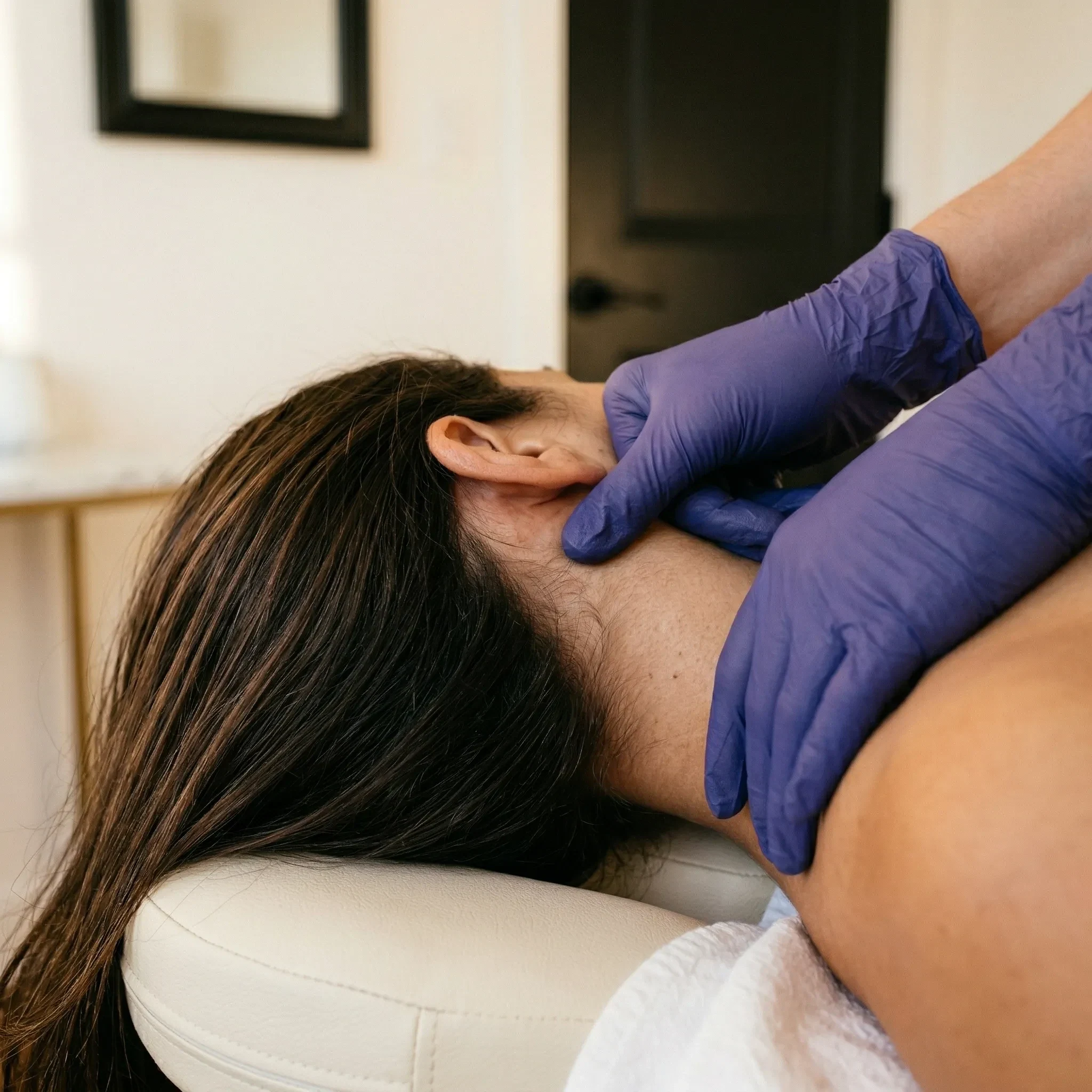
Craniosacral therapy for headaches, TMJ and jaw tension, post-concussion patterns, and nervous systems that have been switched on too long. The work uses very light pressure on the membranes and fluid around the brain and spinal cord. Delivered by Crystal Tait, RMT, licensed by the College of Massage Therapists of Ontario and eligible for direct billing through your extended health plan.
4.9 Stars · 407 Reviews
Concerns Craniosacral Therapy Treats

Headaches & Migraines
Chronic tension headaches and migraine patterns that have not responded to medication or standard tension work. A course of four to six craniosacral sessions often reduces frequency or intensity for stubborn cases.
Treatments+
Light contact at points along the cranial base, occiput, and sacrum. Crystal works with the surrounding fascia and nervous system rather than the muscles directly. Useful adjunct to neurological care, not a replacement.
Causes+
Headache patterns usually involve a musculoskeletal and nervous-system component layered on any vascular driver. Sustained tension in the cranial base and cervical fascia keeps the pattern recurring.
What every appointment looks like.
Every step is dialled to your intake, sensitivity, and stage of the pattern, on the day.
Crystal reviews your history at intake: prior head injuries, neurological conditions, active bleeding disorders, current medications, and any prior surgeries. Sensitive-system clients often need slower pacing through the consent conversation itself, and the room is set up for that. Positioning preferences are discussed before you lie down. No work begins until the picture is clear.
Details+
- • History of head injuries, prior surgeries, current medications
- • Neurological history and any active flare patterns
- • Sensitivity, sensory preferences, and pacing needs
- • Positioning preferences before any contact begins
When Craniosacral Therapy Isn't the Right First Call
Red flags: see your physician first
Recent head injury without medical clearance. Recent neurosurgery without surgeon clearance. Suspected intracranial pressure issues. Active bleeding disorders. Severe acute pain that has not been worked up. Sudden new neurological symptoms unlike anything you have had before. These are reasons to be seen medically before any craniosacral work begins.
We screen at intake
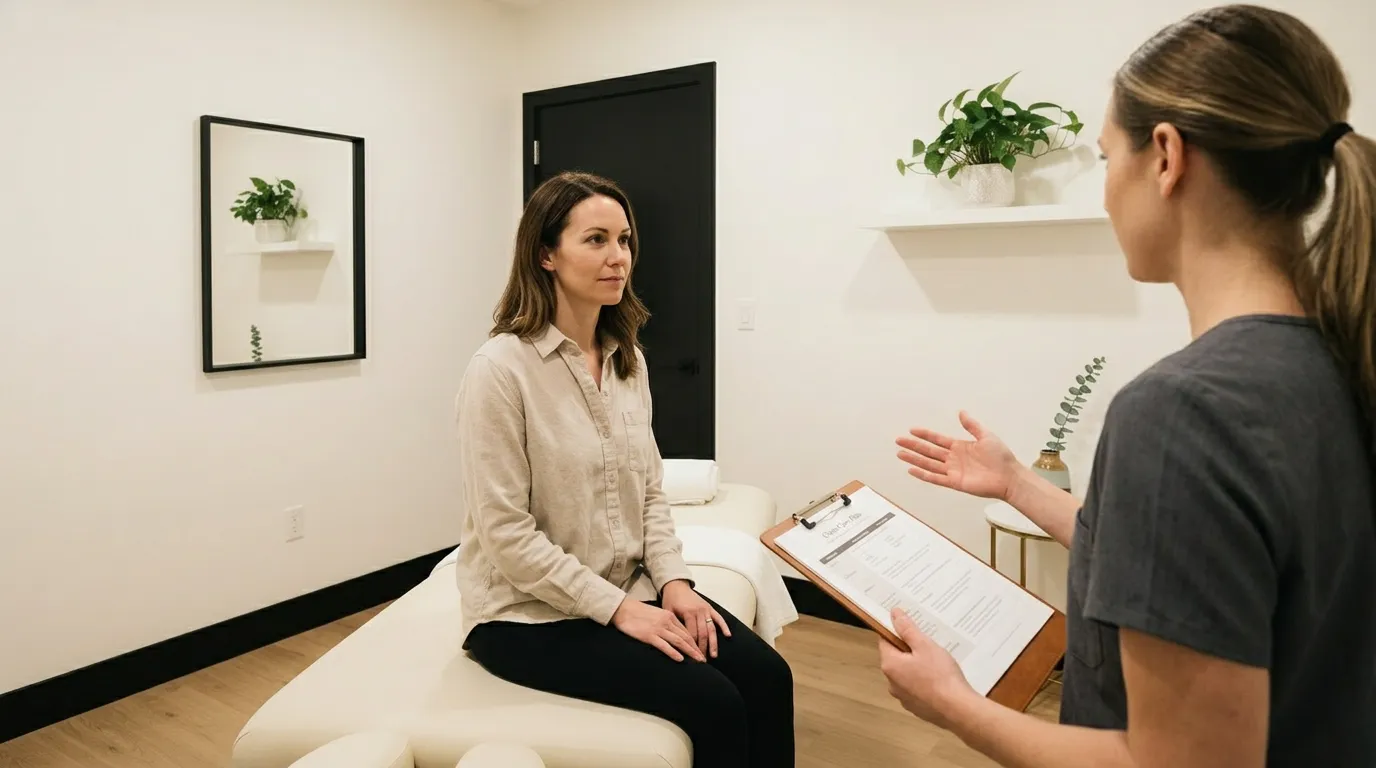
Crystal screens for contraindicated presentations at intake. She reviews your medical history, recent injuries, and any neurological or bleeding flags before any hands-on work begins. If anything in your history calls for it, the recommendation is to see your physician first. Then return for craniosacral work once the underlying cause has been ruled out or treated. Appropriate scope of practice, not a hedge.
Sometimes a different modality is the better start
Patterns driven by structural-mechanical pain often respond better when deep tissue or myofascial release leads. Patterns driven by lymphatic load respond better to manual lymphatic drainage. Patterns driven by acute psychological trauma respond better when psychotherapy leads with body work supporting it. Crystal will tell you that directly at intake if it applies.
One CMTO-registered RMT. Specific craniosacral training.
Crystal Tait leads craniosacral work at Essential Health Clinic. She holds specific post-graduate training in the technique alongside her broader work in structural integration and fascial therapy. Sessions are billed as registered massage therapy under her CMTO registration, with most Ontario extended health plans that cover RMT services covering craniosacral as well.
Registered Massage Therapist
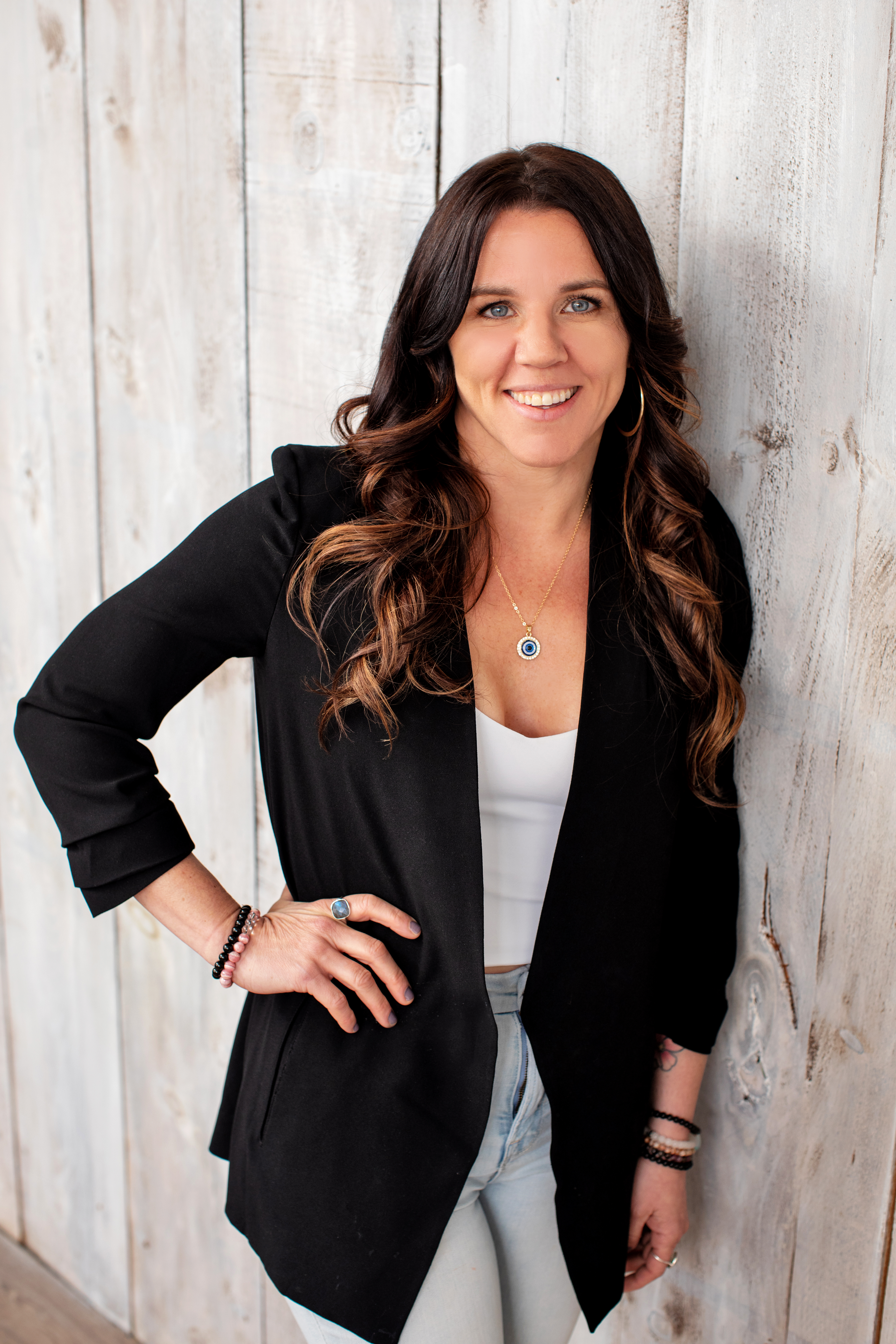
Crystal Tait, RMT
Co-founded the clinic in 2016. Many patients who come in for headaches or TMJ end up benefiting from craniosacral paired with periodic deeper fascial work, and Crystal sees the system in context rather than from a fixed protocol.
Credentials+
- • Registered with the College of Massage Therapists of Ontario (CMTO)
- • Post-graduate training in craniosacral technique
- • Structural Integration Therapist and Fascial Therapist
Steps to your first consultation.
Step Two
Your first session runs forty-five to sixty minutes. You remain fully clothed and lie face up on a treatment table in a warm room. Crystal reviews your intake, screens for contraindications, and then begins the work at specific contact points along your head, spine, and sacrum. Many patients enter a deeply relaxed state during the session, closer to meditation than to massage.
Step One
No referral required. Book at essentialchirormt.janeapp.com or call 905-856-2299. Same-week appointments are typically available, and the room is set up for sensitive-system pacing.
Step Three
For chronic headache or TMJ patterns, an initial course of four to six sessions is typical, scheduled weekly or every other week. For ongoing nervous-system regulation, sessions at wider intervals (every three to four weeks) are often the right pattern. Crystal recommends a follow-up plan after your first session based on what your system actually responded to.
Related treatments
Treatments our practitioners commonly pair with Craniosacral Therapy, and the concerns they are chosen for.
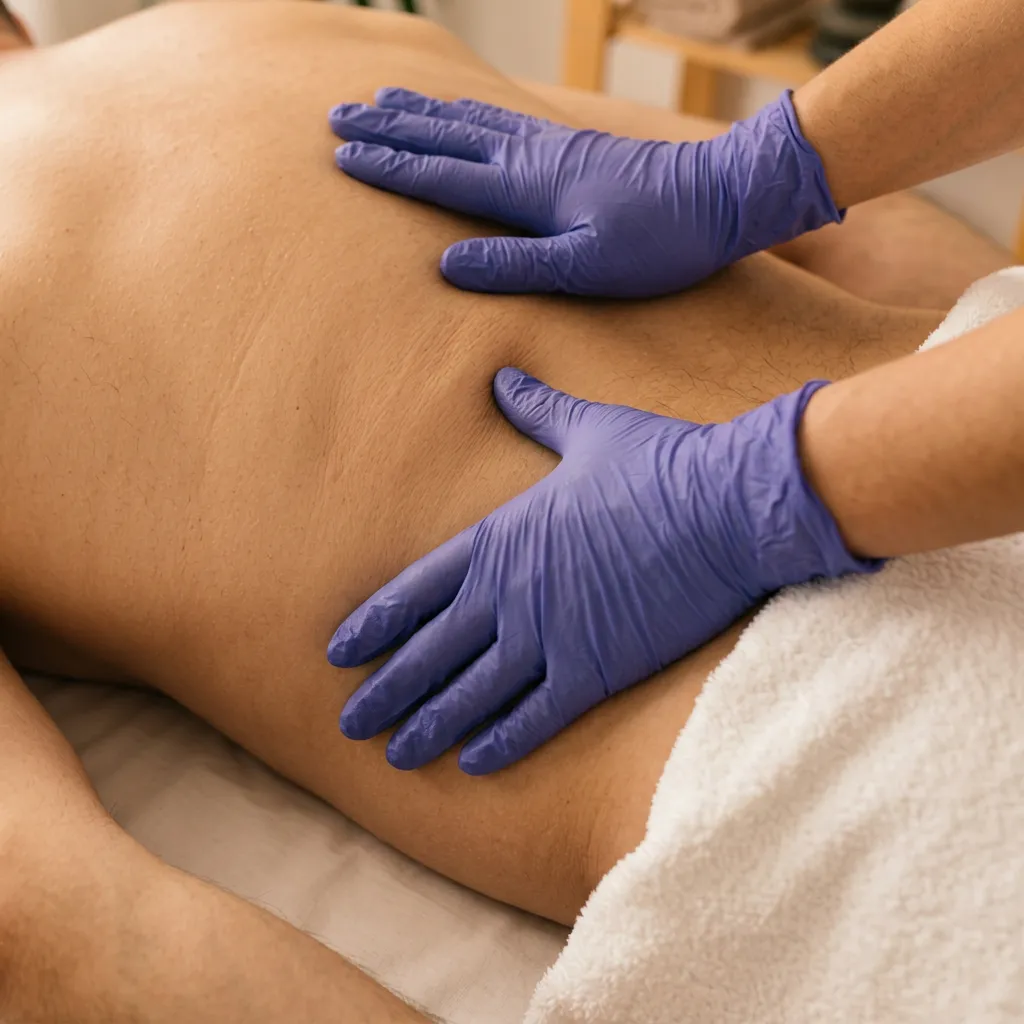
Massage
Registered Massage Therapy
Seven CMTO-regulated RMTs covering deep tissue, Swedish, sports, structural integration, lymphatic drainage, and more.
View Registered Massage Therapy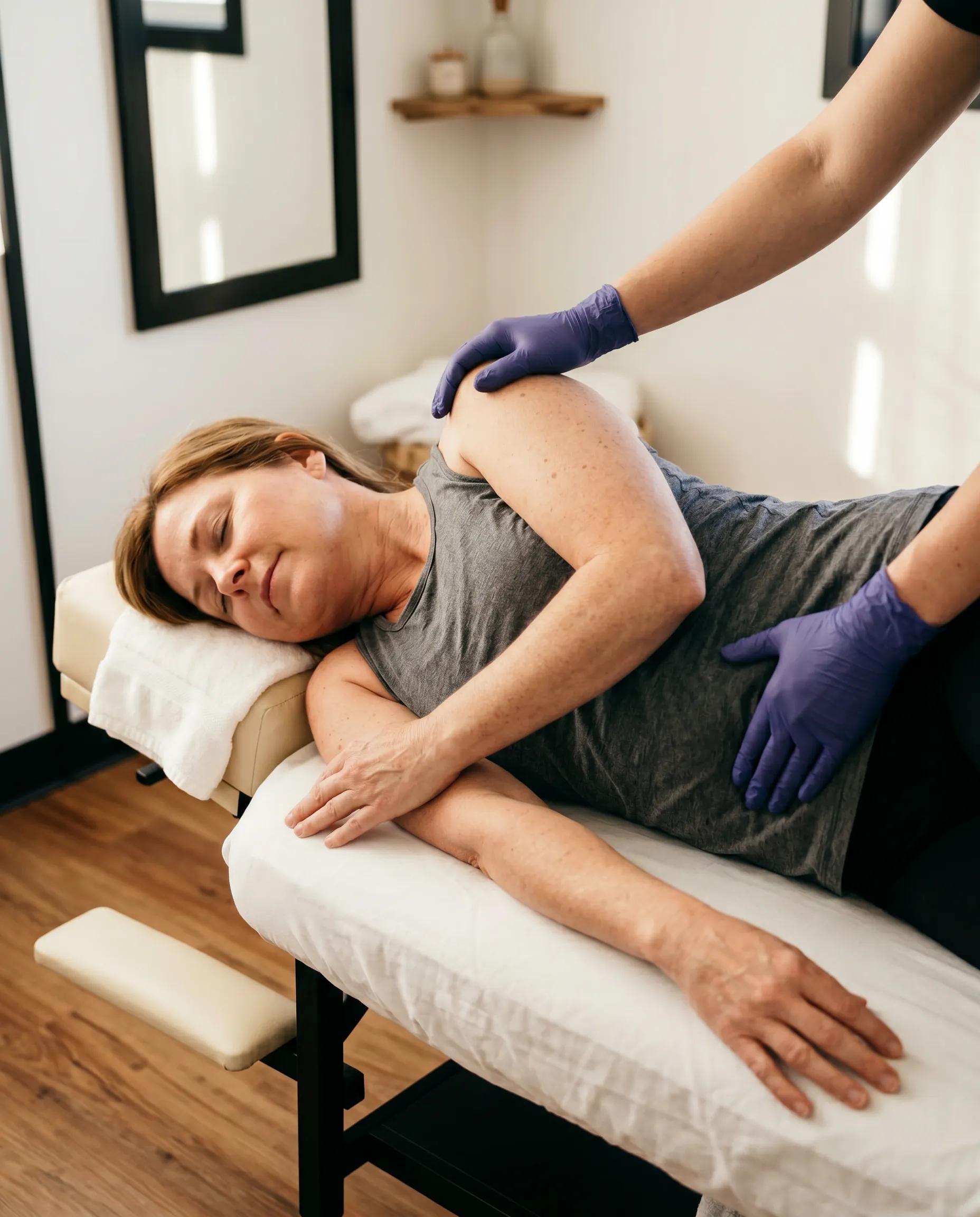
Chiropractic
Chiropractic Care
Spinal assessment and adjustment by three CCO-registered chiropractors. Diversified, Thompson Drop, Graston, ART, and more.
View Chiropractic Care
Health & Wellness
Psychotherapy
Registered psychotherapy by Nicole Bonich, RP. Psychodynamic, brainspotting, somatic, and couples work. Virtual available.
View Psychotherapy
Health & Wellness
Anxiety Counselling
Focused psychotherapy for anxiety, burnout, and chronic stress. Patterns first, coping strategies second.
View Anxiety Counselling
Massage
Deep Tissue Massage
Sustained pressure into the deeper layers of muscle and connective tissue. For chronic tension that surface massage has not resolved.
View Deep Tissue Massage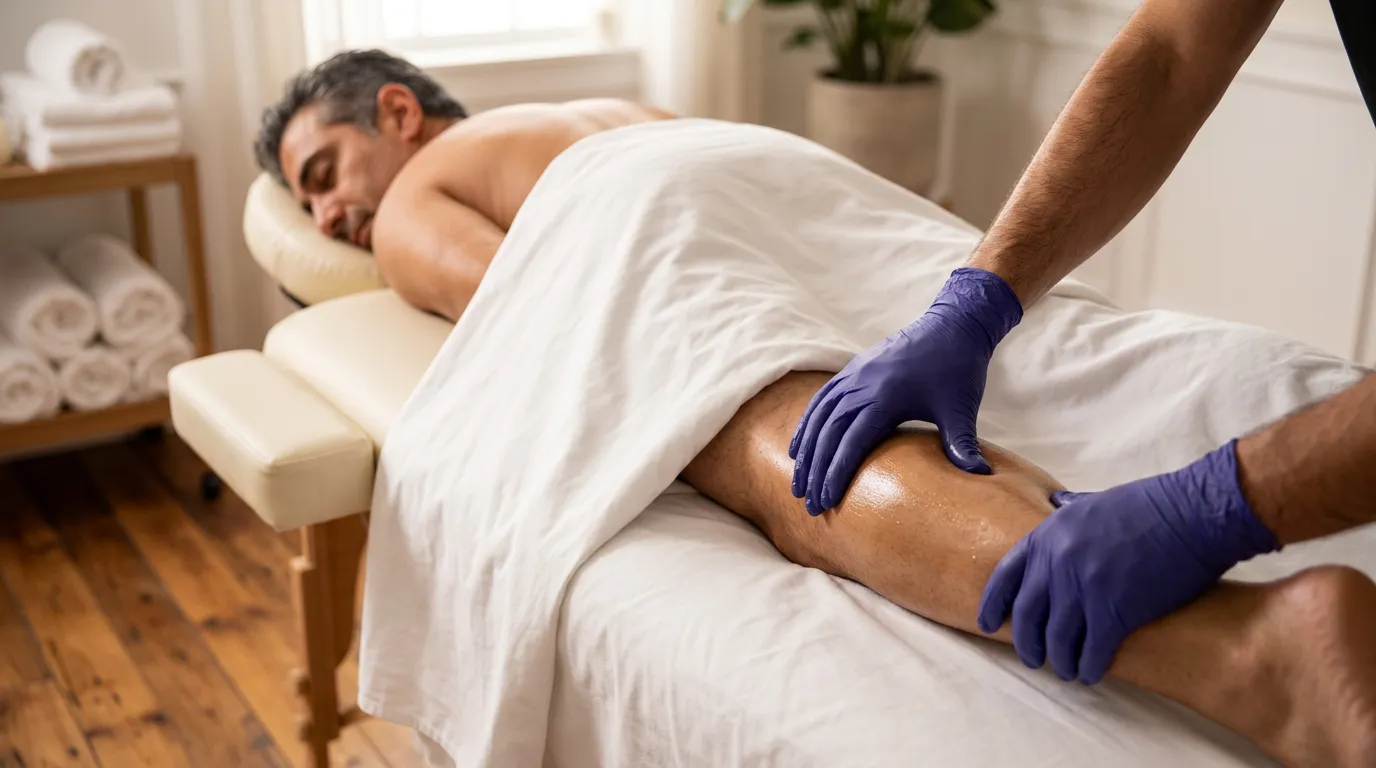
Massage
Swedish Massage
Foundational therapeutic massage. Long strokes, kneading, circulation work to reduce muscular tension and support recovery.
View Swedish Massage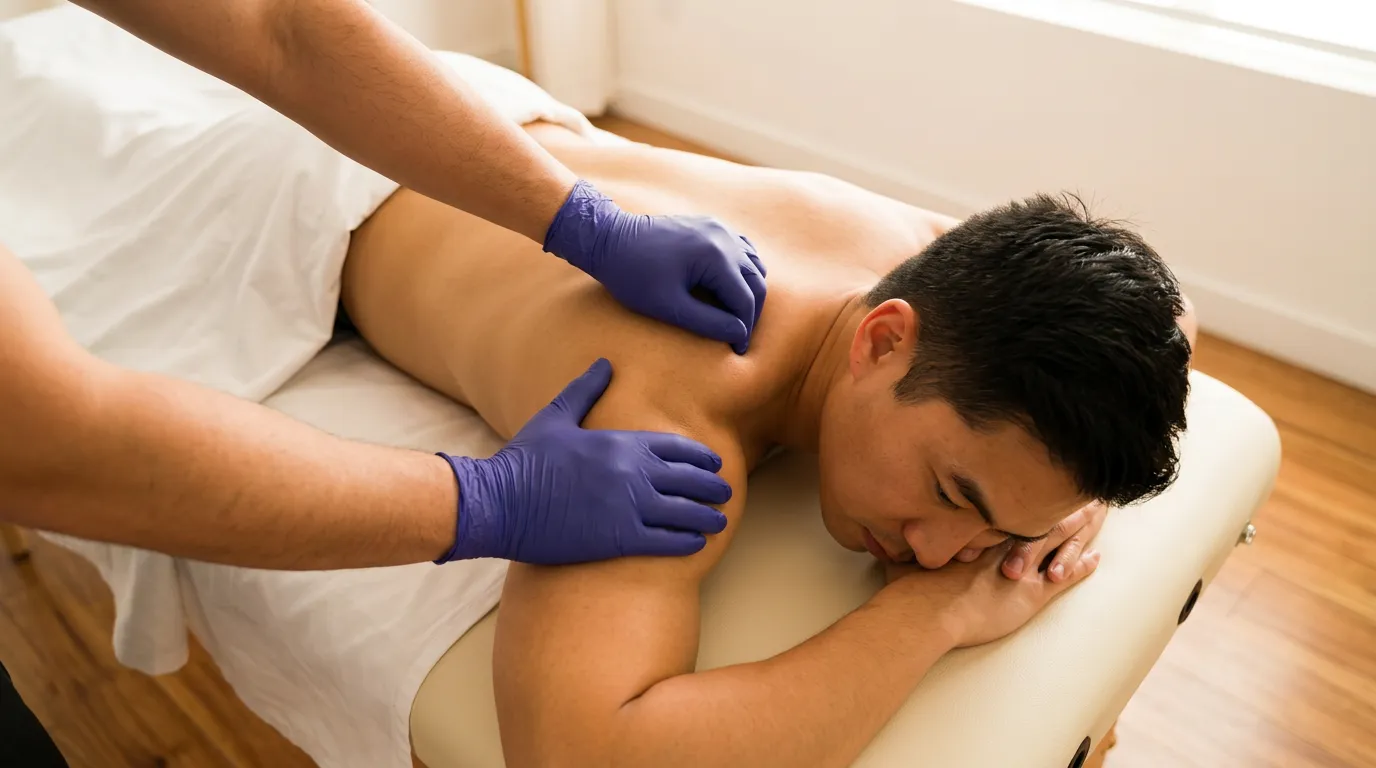
Massage
Sports Massage
Pre- and post-event work, recovery, and overuse-injury treatment for athletes and active patients across Vaughan.
View Sports Massage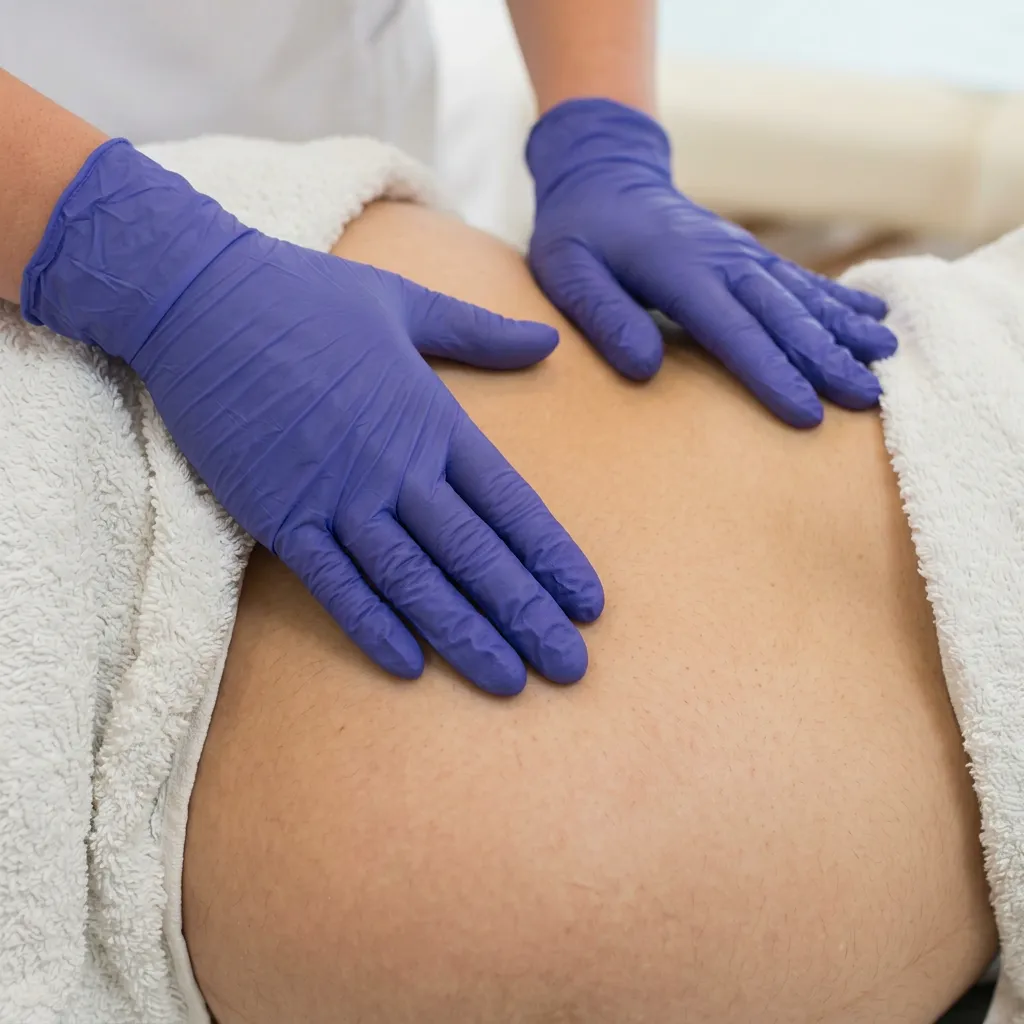
Massage
Prenatal Massage
Certified care across all three trimesters and postpartum. Safe positioning and pregnancy-adapted technique.
View Prenatal Massage
Treating a specific concern? Read how we assess and treat headaches and migraines and stress and anxiety.
Not sure where to start?
Start with what you notice.
You do not need to know which discipline treats your concern. We figure that out on your first visit.
Conditions & Concerns

Pain & Injury
Back Pain
Tap to learn morePain & Injury
Back Pain
Rest helps for a day. Stretching helps for an hour. Four disciplines under one roof assess what is actually driving the pain.

Pain & Injury
Neck Pain & Stiffness
Tap to learn morePain & Injury
Neck Pain & Stiffness
Stiff in the morning, sore by midday. A cervical assessment identifies whether the source is disc, joint, muscle, or nerve before treatment begins.
Pain & Injury
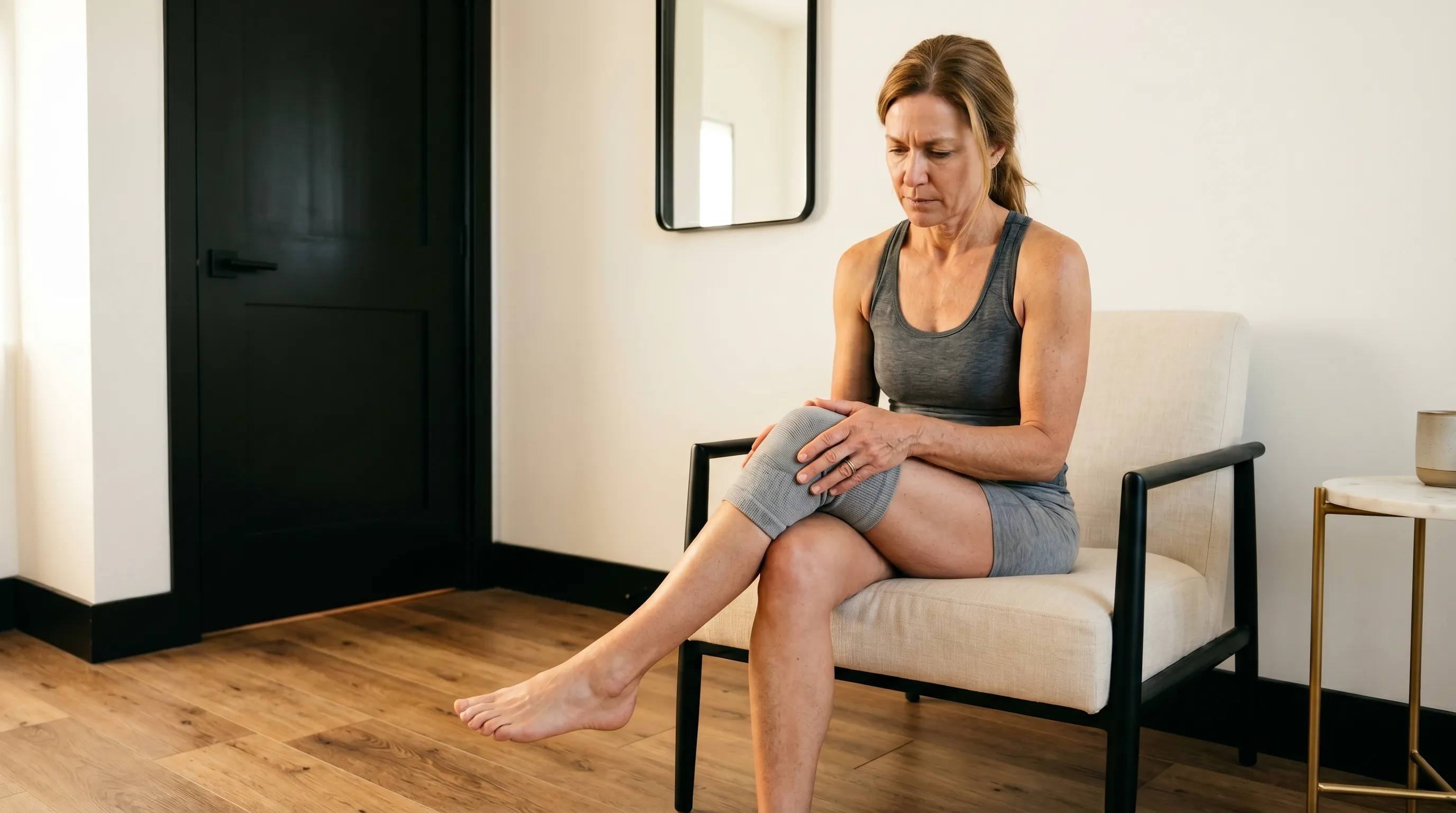
Sciatica
Tap to learn morePain & Injury
Sciatica
Starts in your lower back. Burns down the back of your leg. Sciatica has a specific source, finding it is the first step.
Pain & Injury
Sports Injuries
Tap to learn morePain & Injury
Sports Injuries
Something gave during the game, or an ache built up over weeks. Accurate assessment first, then a plan to get you back to full activity.

Pain & Injury
Muscle Pain & Tension
Tap to learn morePain & Injury
Muscle Pain & Tension
Your shoulders are concrete by 3 PM. The knots never fully release. Tension that keeps returning has an underlying cause, assessment finds it.
Pain & Injury
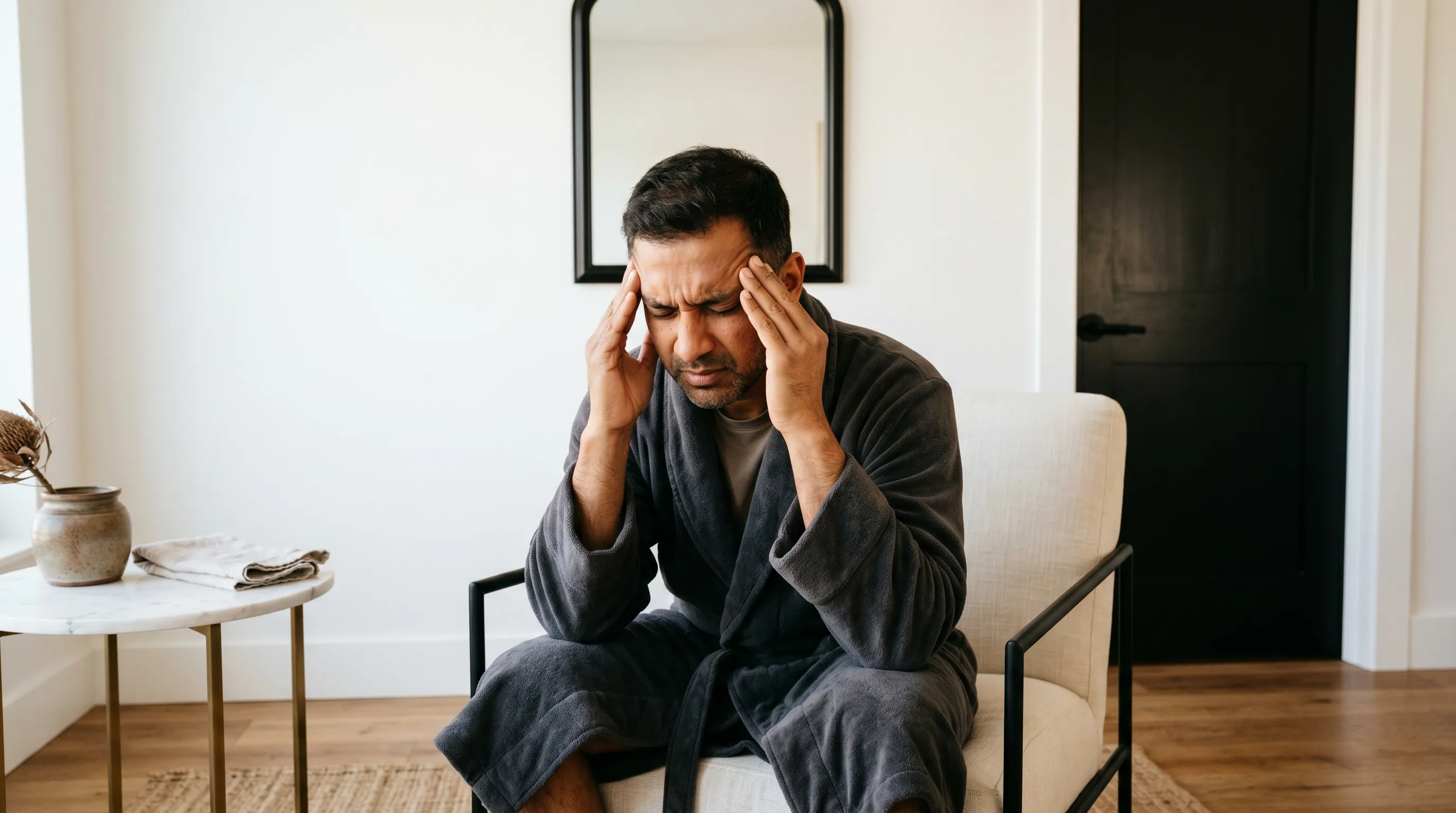
Headaches & Migraines
Tap to learn morePain & Injury
Headaches & Migraines
Pressure behind your eyes every afternoon. The Advil takes the edge off. Recurring headaches are not something to manage with painkillers indefinitely.
What patients say about Craniosacral Therapy
4.9 stars across 407 Google reviews. The feedback is consistent: thorough assessments, clear communication, and care that addresses the real concern.
“The very best. I have been working with Crystal and Becky to help reset my body. This is the most helpful series of treatments I have ever experienced. If you are tired of feeling tired, dealing w chronic pain and want to take back your body, BOOK TODAY!!! This is the place to make you feel good again! I cannot express in words how these treatments have helped my mental, physical and emotional wellbeing.”
Ready to book your craniosacral therapy session?
Same-week craniosacral appointments in Vaughan are typically available with Crystal. Online booking takes about ninety seconds, the room is set up for sensitive-system pacing, and no referral is required. Direct billing for most major Ontario extended health insurers that cover registered massage therapy.