


Sports Injury Physiotherapy
Phase-based rehab for ACL, rotator cuff, ankle, and tendon injuries with Ramandeep (Rami) Singh, MScPT. Return-to-sport clearance is based on objective test scores, not the calendar.
4.9 Stars · 407 Reviews
Concerns Sports Injury Physiotherapy Treats
Sports Injuries
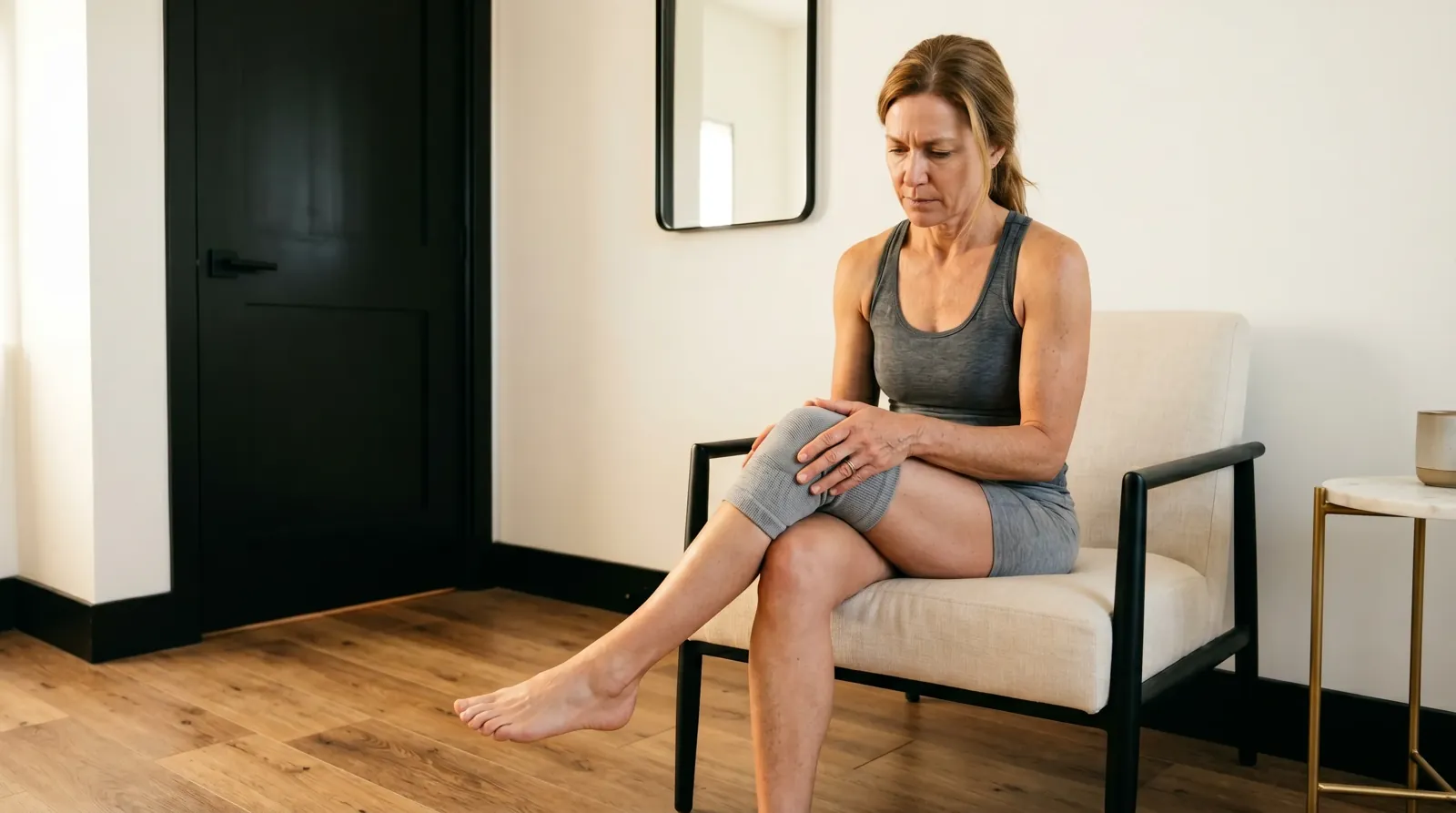
ACL, meniscus, rotator cuff, ankle sprains, hamstring strains, and tendinopathy. Return-to-sport criteria guide every plan and every discharge decision.
Treatments+
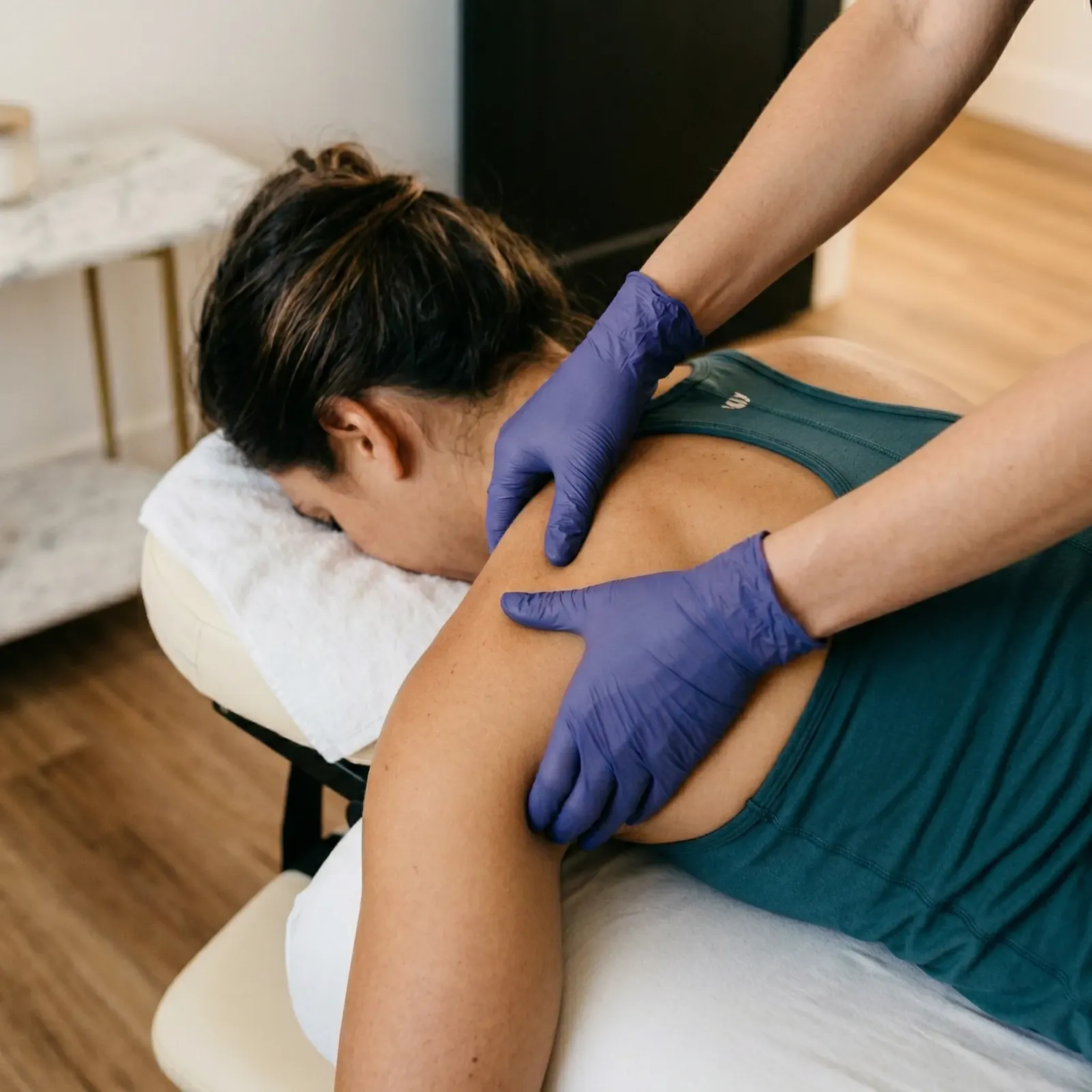
Manual therapy and soft-tissue work for restricted structures, dry needling where indicated, and progressive loading dosed to the sport demand. Return-to-function testing guides discharge, not a session count. Sports massage pairs in when the compensating muscle chain needs direct attention, and physiotherapy care covers the same manual-therapy toolkit for non-sport presentations.
Causes+
A specific tissue overloaded beyond its current capacity, usually with a strength or motor-control deficit between sides that loaded it asymmetrically. Recovery has to address both the tissue and the pattern.
What every appointment looks like.
Every step is dialled to your injury, its phase, and the sport or activity you are returning to.
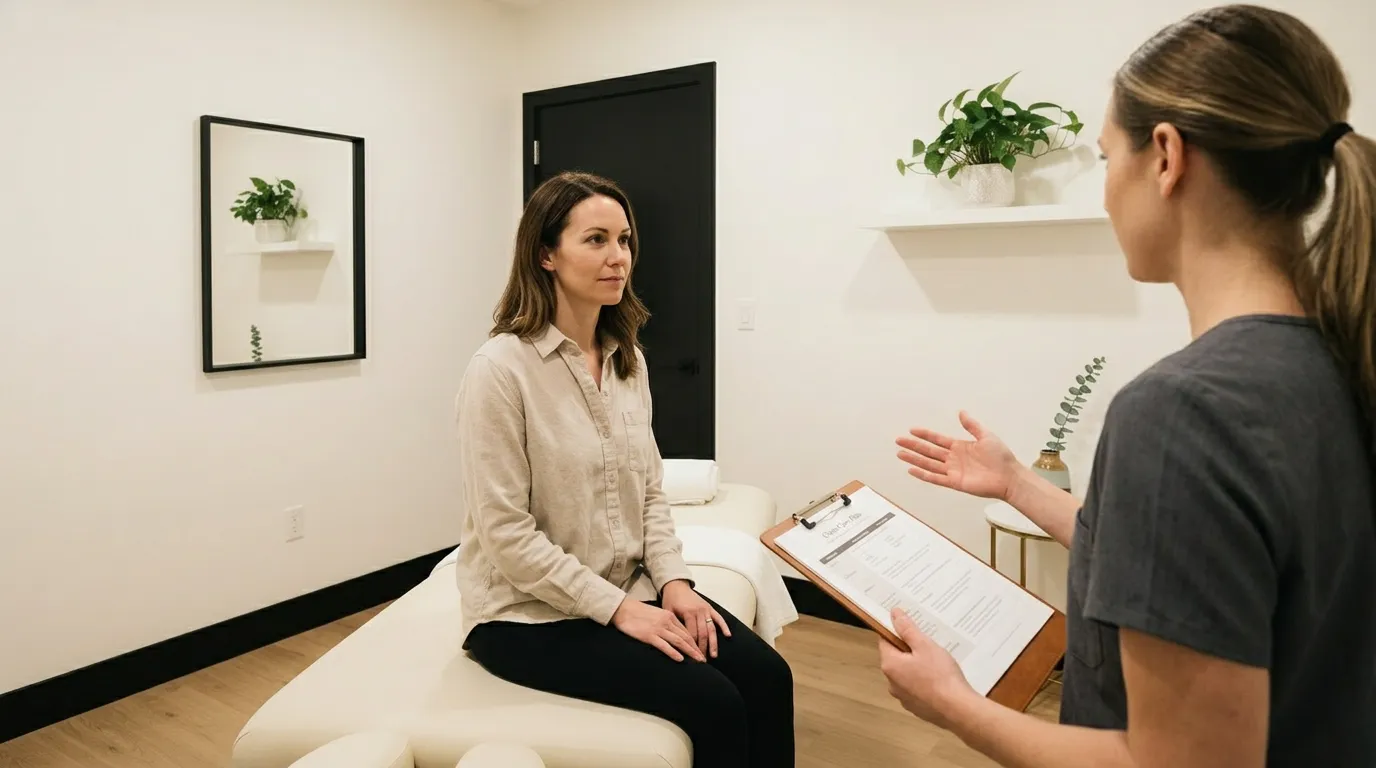
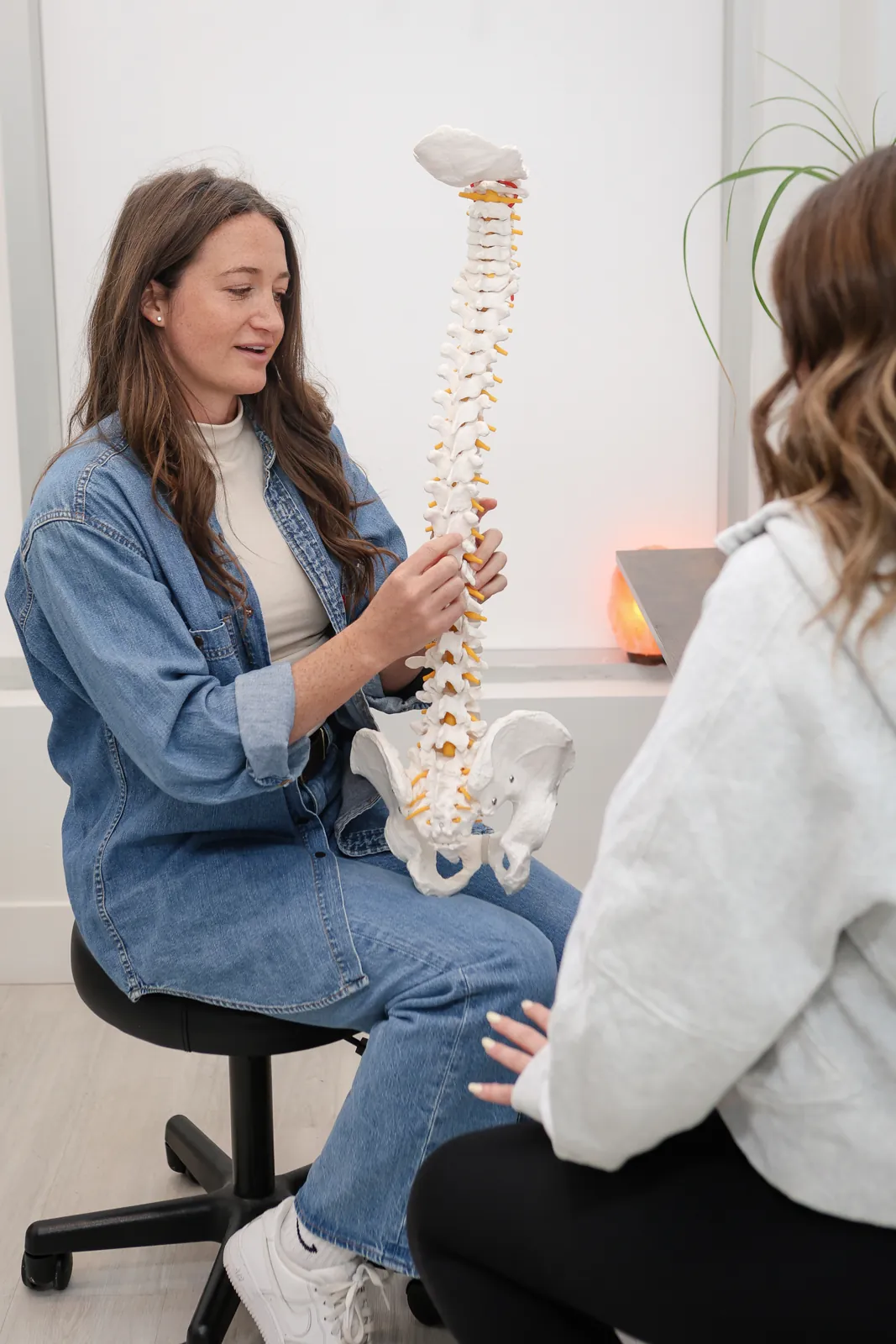
Your first appointment runs 45 to 60 minutes. Rami takes a detailed history of the injury, mechanism, timeline, prior treatment, and what sport or activity you are returning to. Physical and functional testing follows: joint stability, strength comparisons between sides, movement quality, and sport-specific function.
Details+
- History, mechanism, timeline, and prior treatment
- Strength comparisons between sides and joint stability testing
- For knee injuries: ligament and meniscal tests
- For shoulder injuries: rotator cuff strength and scapular control
- For ankle injuries: proprioception and single-leg stability
When Sports Injury Physiotherapy Isn't the Right First Call
Red flags: see your physician first
Numbness or weakness progressing down an arm or leg. Loss of bladder or bowel control. A visibly deformed joint or suspected fracture. Joint pain with fever, redness, or unexplained weight loss. Any sudden, severe symptom unlike anything you have had before.
We screen at intake
Rami screens for red-flag presentations at intake. If anything in your history calls for it, the recommendation is to see your physician or an emergency department first, then return for physiotherapy once the underlying cause has been ruled out or treated.
Sometimes chiropractic or RMT is the better start
Patterns driven by a specific joint restriction often respond better when chiropractic leads. Patterns driven by chronic muscular guarding often respond better when registered massage therapy leads. Rami will say so directly at intake if it applies.
One Registered Physiotherapist. Objective return-to-sport criteria.
Rami Singh holds a Master of Science in Physiotherapy and is registered with the College of Physiotherapists of Ontario. Care coordinates with the chiropractic and RMT teams when the assessment finds more than one driver.
Registered Physiotherapist
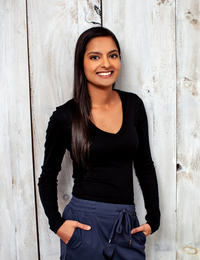
Ramandeep (Rami) Singh, MScPT
Treats recreational athletes, competitive athletes, and anyone returning to physical activity after an injury. Return-to-sport protocols are built around measurable benchmarks. Coordinates with the massage therapy and chiropractic teams for injuries that involve more than one structure or system.
Credentials+
- Master of Science in Physiotherapy (MScPT)
- Registered with the College of Physiotherapists of Ontario
- Pelvic Floor Physiotherapy certified
- Dry Needling and Acupuncture certified
Steps to your first consultation.
Step Two
Your first session runs 45 to 60 minutes. Rami reviews your injury history and tests joint stability, strength symmetry, and movement quality specific to your sport. Treatment begins the same visit for most patients, and you leave with a phase-appropriate exercise program.
Step One
No referral required. Book online at essentialchirormt.janeapp.com or call 905-856-2299. Same-week appointments are typically available.
Step Three
Follow-up sessions run 30 to 45 minutes and progress through the acute, subacute, and return-to-sport phases. Most soft-tissue injuries improve within four to eight sessions; post-surgical and complex cases take longer. Objective test scores decide when you are cleared to return.
Related treatments
Treatments our practitioners commonly pair with Sports Injury Physiotherapy, and the concerns they are chosen for.
Physio & Rehab
Physiotherapy
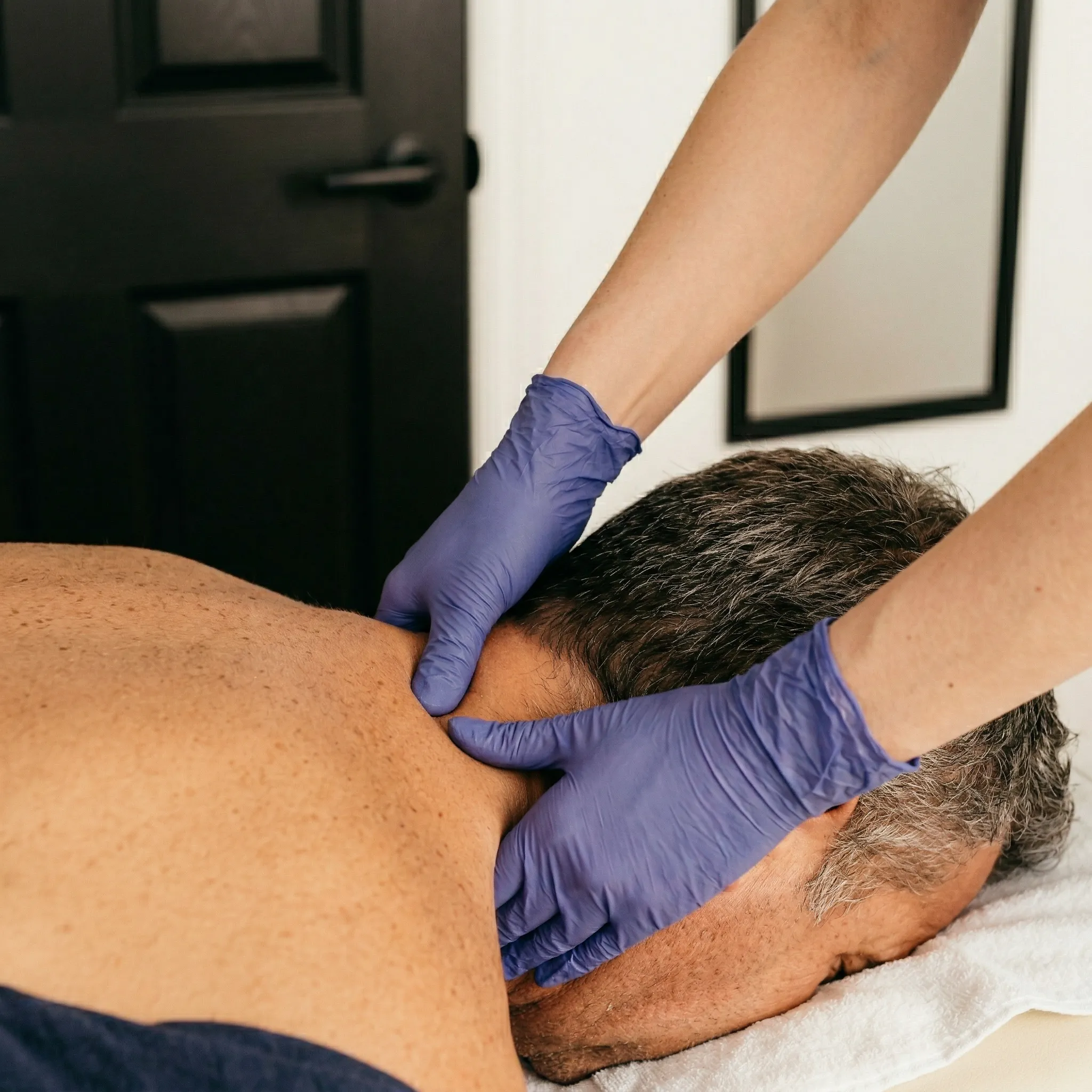
Manual therapy, exercise prescription, and rehab by Ramandeep Singh, MScPT. Sports, orthopedic, and post-surgical recovery.
View Physiotherapy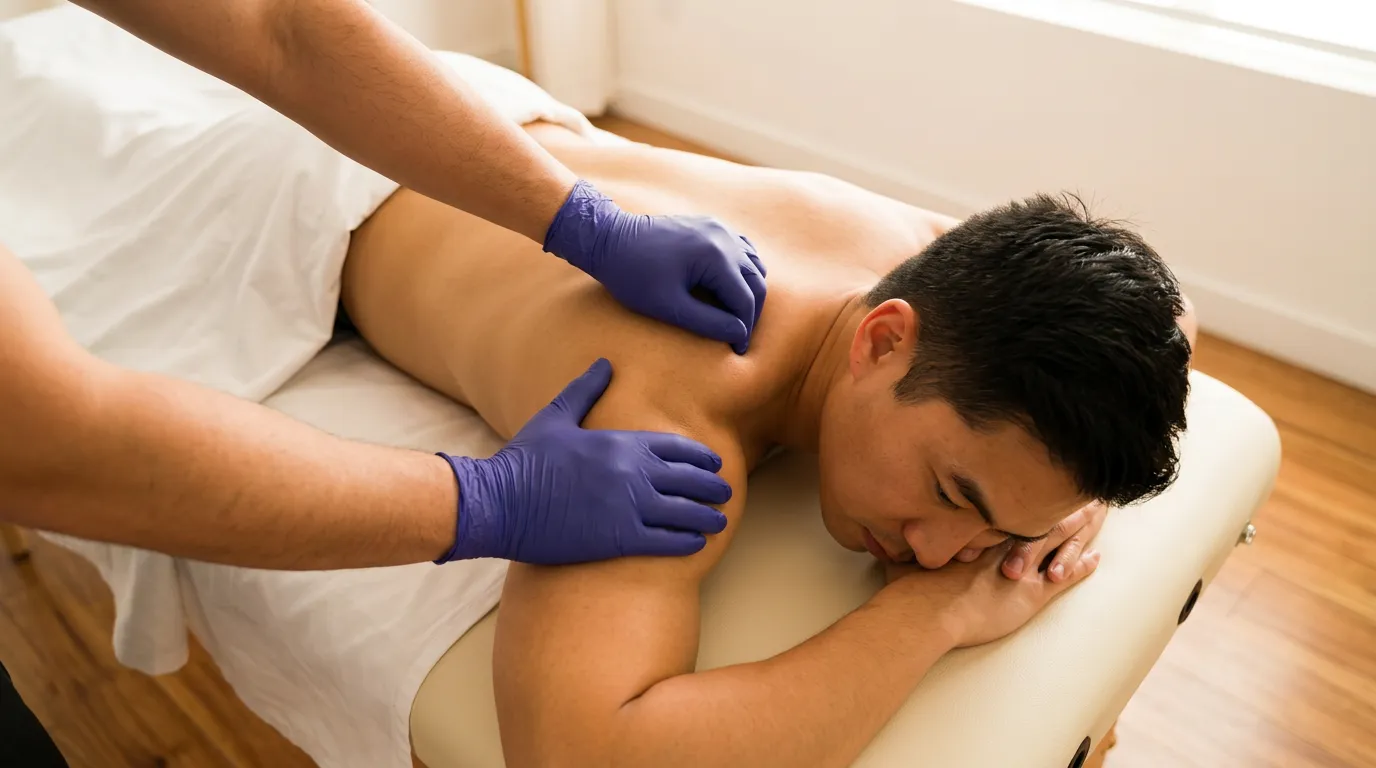
Massage
Sports Massage
Pre- and post-event work, recovery, and overuse-injury treatment for athletes and active patients across Vaughan.
View Sports Massage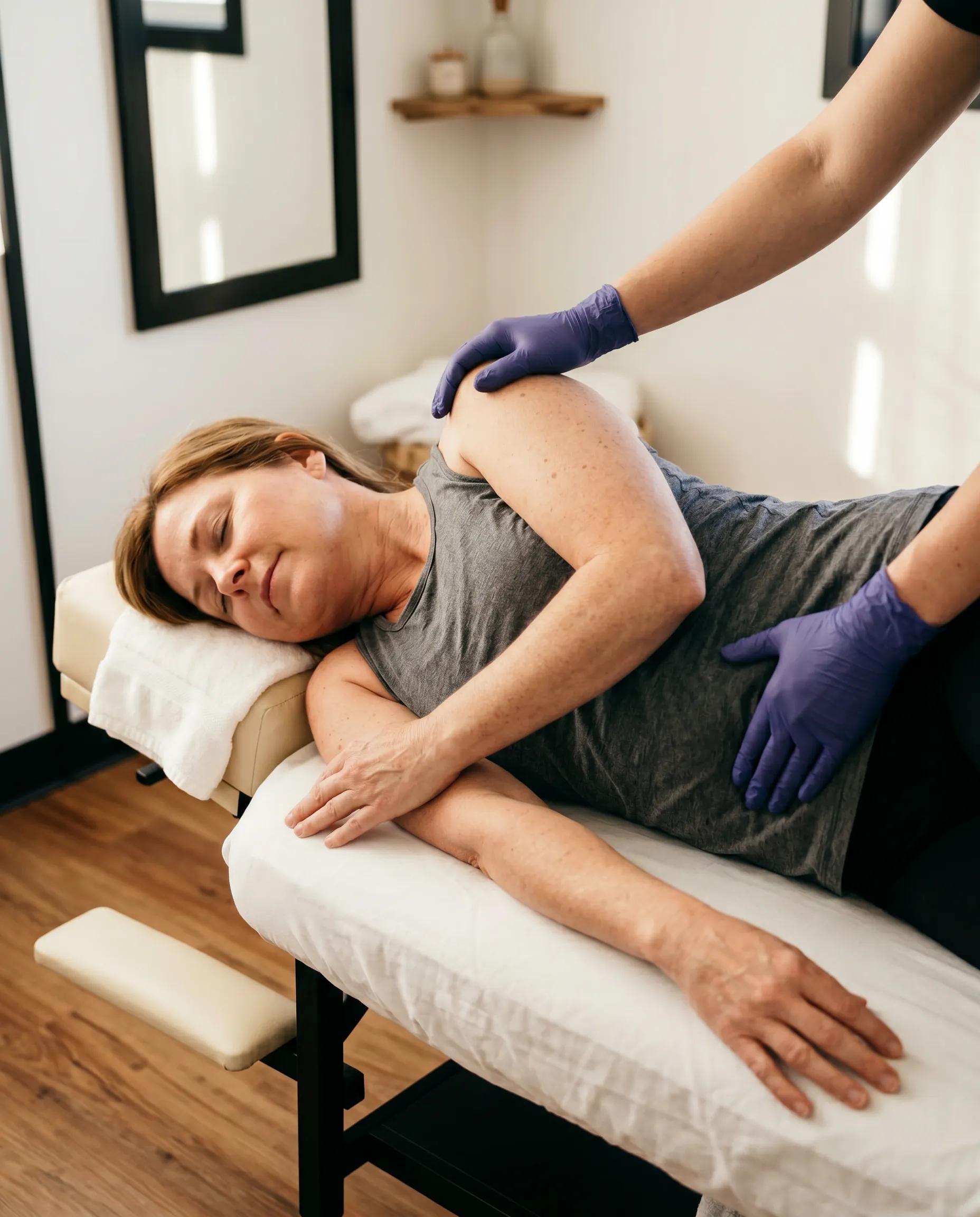
Chiropractic
Chiropractic Care
Spinal assessment and adjustment by three CCO-registered chiropractors. Diversified, Thompson Drop, Graston, ART, and more.
View Chiropractic Care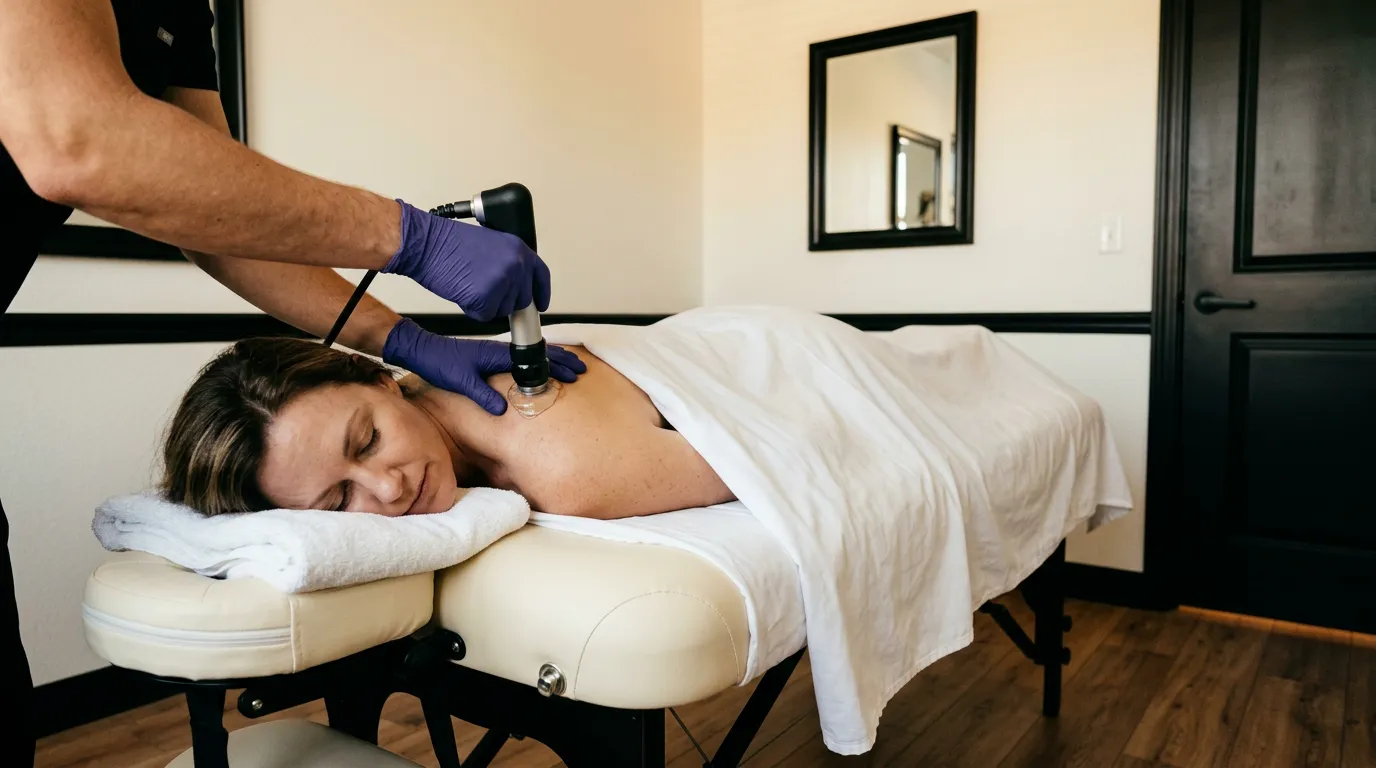
Chiropractic
Shockwave Therapy
Focused acoustic-wave treatment for tendinopathy, plantar fasciitis, and chronic soft tissue conditions. Eight practitioners trained.
View Shockwave Therapy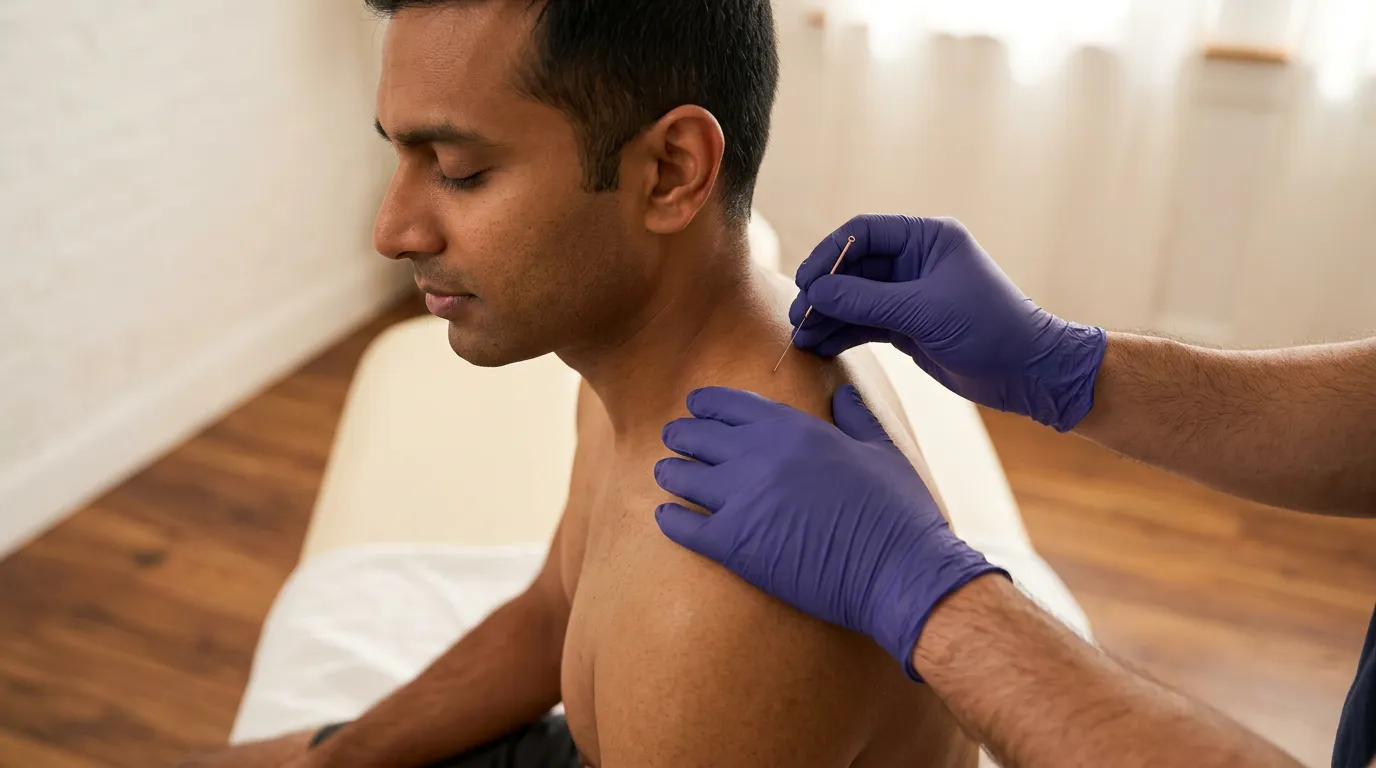
Physio & Rehab
Dry Needling
Targeted needling for chronic muscle tension and trigger points that have not responded to manual therapy alone.
View Dry Needling
Massage
Deep Tissue Massage
Sustained pressure into the deeper layers of muscle and connective tissue. For chronic tension that surface massage has not resolved.
View Deep Tissue Massage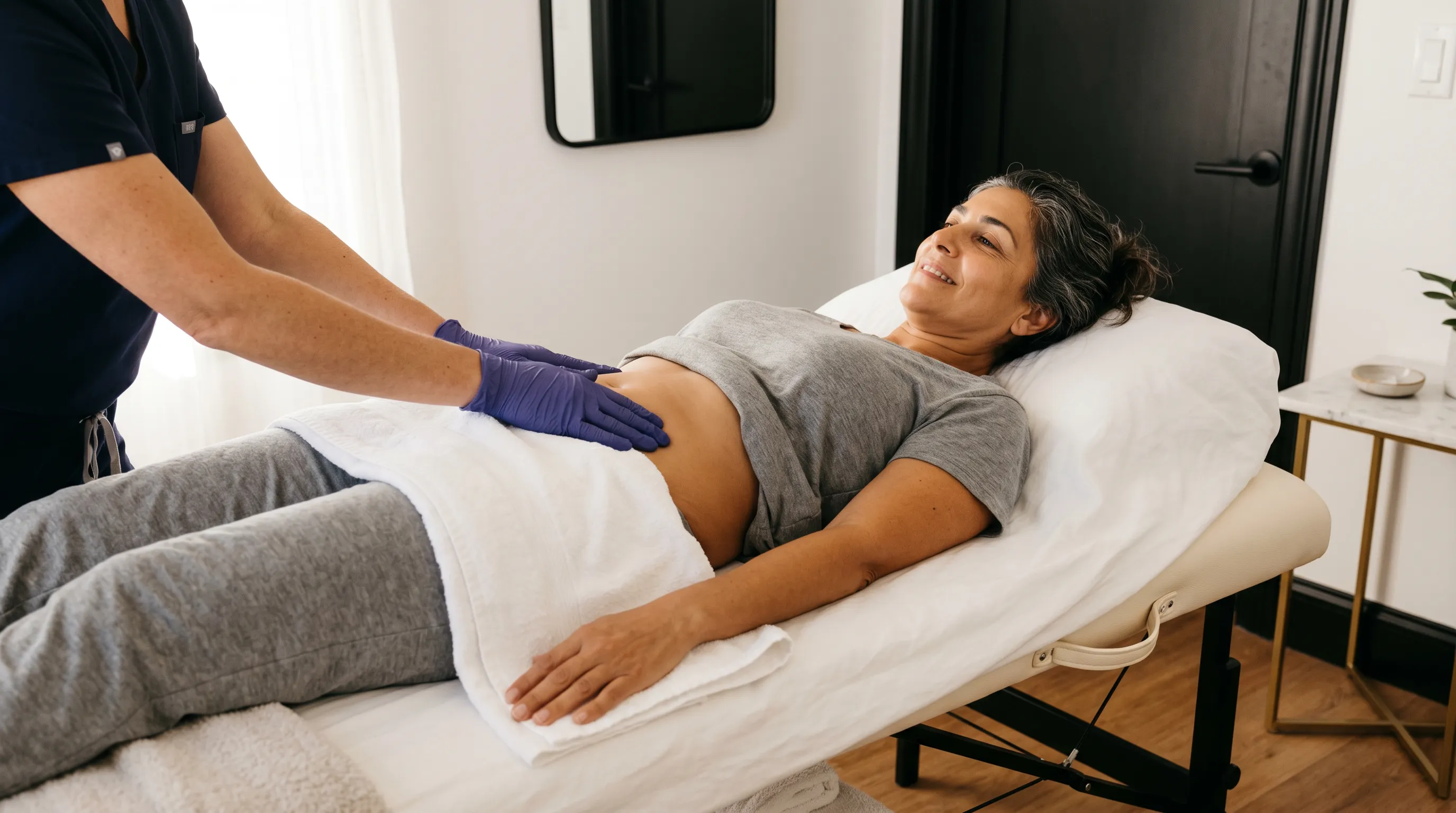
Physio & Rehab
Pelvic Floor Physiotherapy
Certified pelvic floor care for incontinence, pelvic pain, diastasis recti, and pre/postnatal recovery. All genders.
View Pelvic Floor Physiotherapy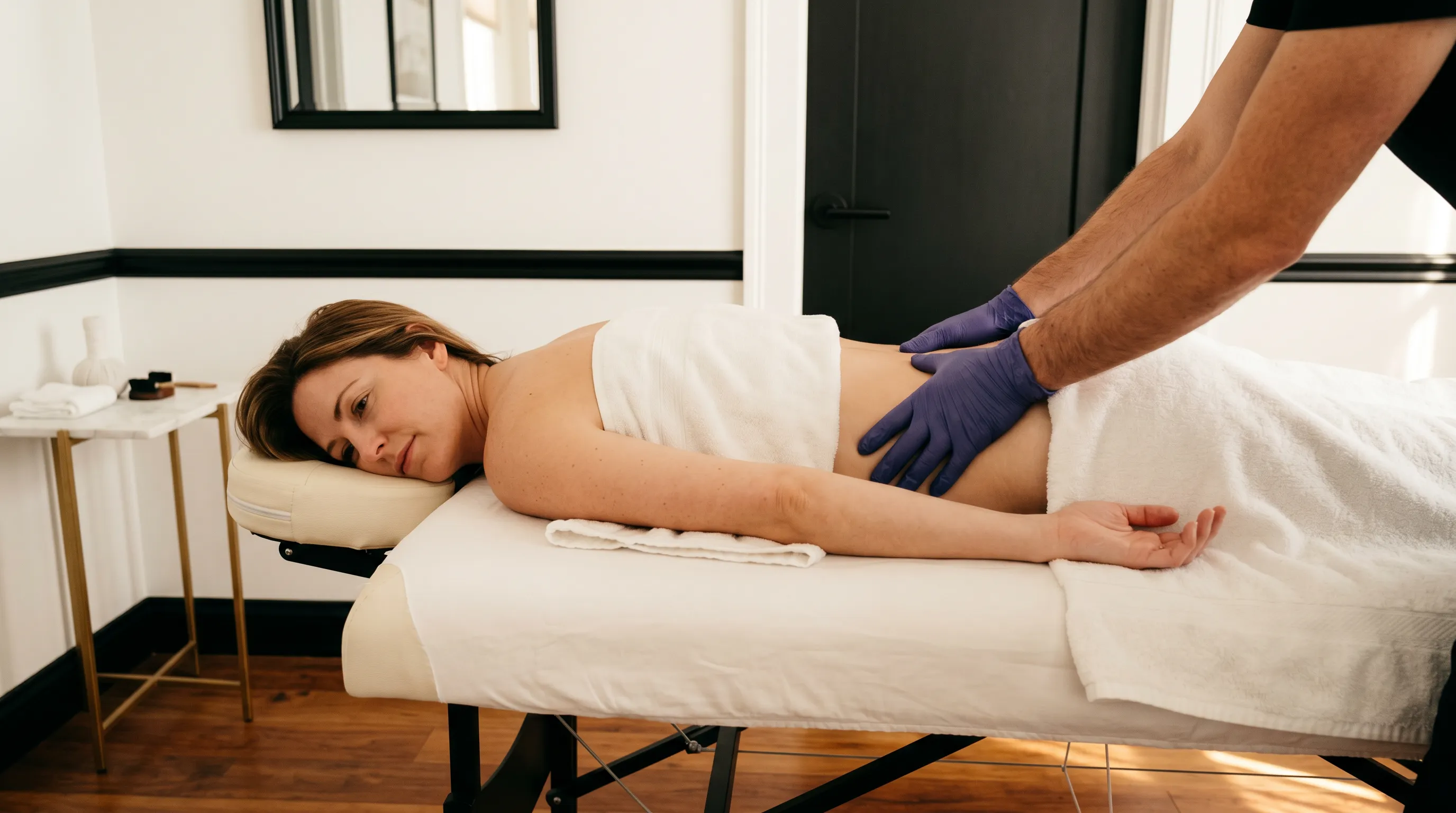
Osteopathy
Osteopathy
Master-level osteopathic manual therapy by Dina Ibrahim, M.OMSc. Structural assessment of the body as a connected system.
View Osteopathy
Treating a specific concern? Read how we assess and treat sports injuries.
Not sure where to start?
Start with what you notice.
You do not need to know which discipline treats your concern. We figure that out on your first visit.
Conditions & Concerns

Pain & Injury
Back Pain
Tap to learn morePain & Injury
Back Pain
Rest helps for a day. Stretching helps for an hour. Four disciplines under one roof assess what is actually driving the pain.

Pain & Injury
Neck Pain & Stiffness
Tap to learn morePain & Injury
Neck Pain & Stiffness
Stiff in the morning, sore by midday. A cervical assessment identifies whether the source is disc, joint, muscle, or nerve before treatment begins.
Pain & Injury
Sciatica
Tap to learn morePain & Injury
Sciatica
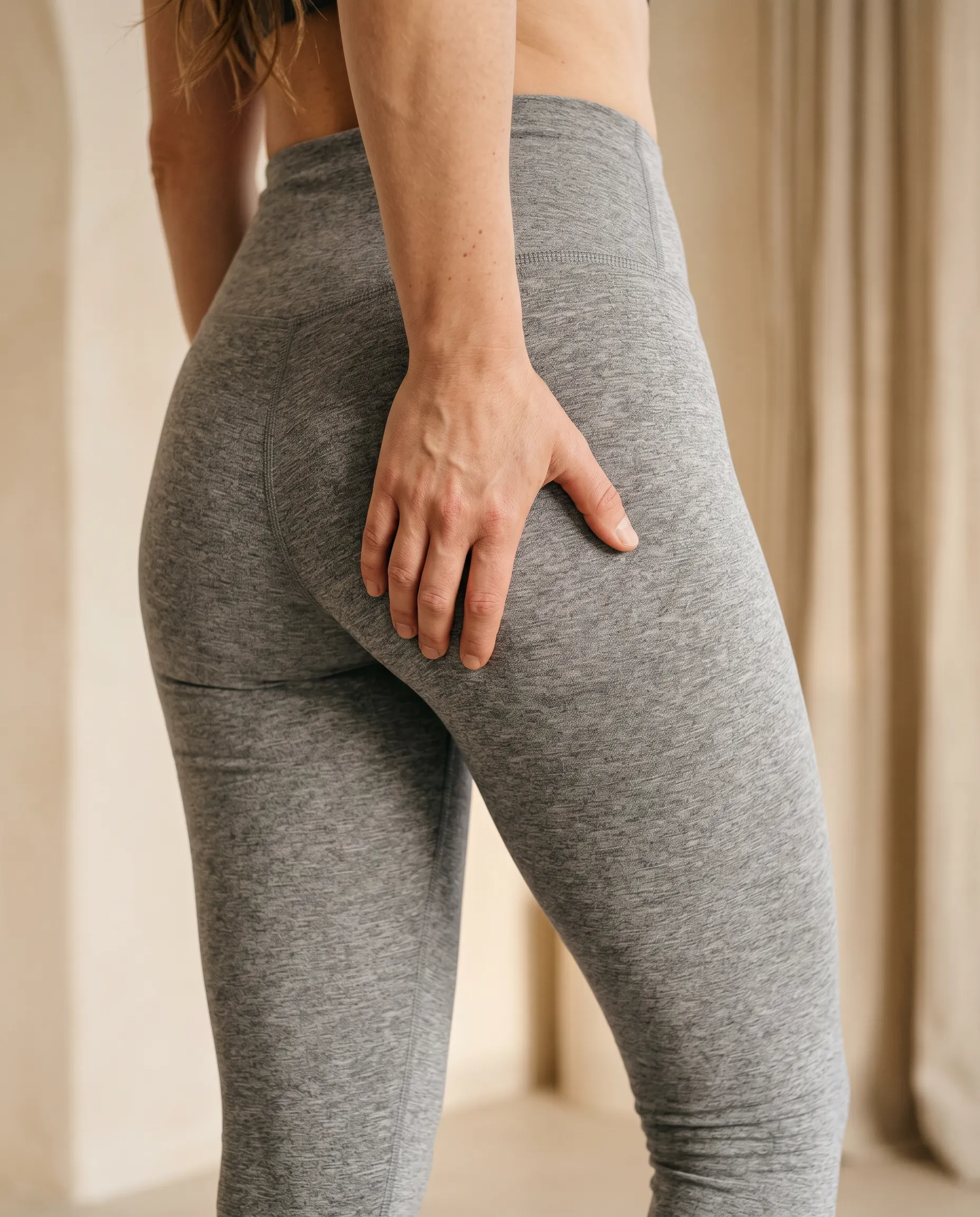
Starts in your lower back. Burns down the back of your leg. Sciatica has a specific source, finding it is the first step.
Pain & Injury
Sports Injuries
Tap to learn morePain & Injury
Sports Injuries
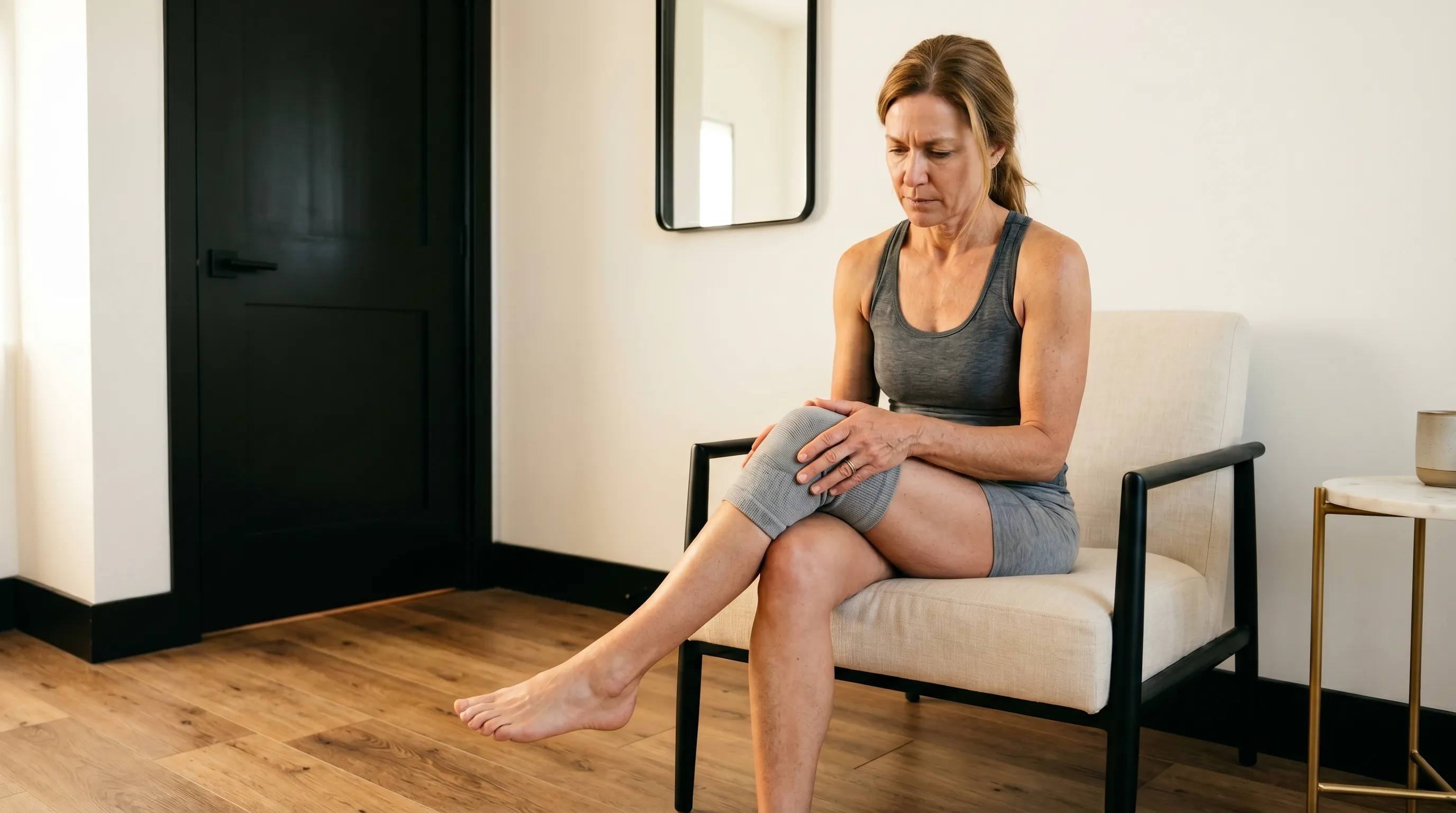
Something gave during the game, or an ache built up over weeks. Accurate assessment first, then a plan to get you back to full activity.
Pain & Injury
Muscle Pain & Tension
Tap to learn morePain & Injury
Muscle Pain & Tension
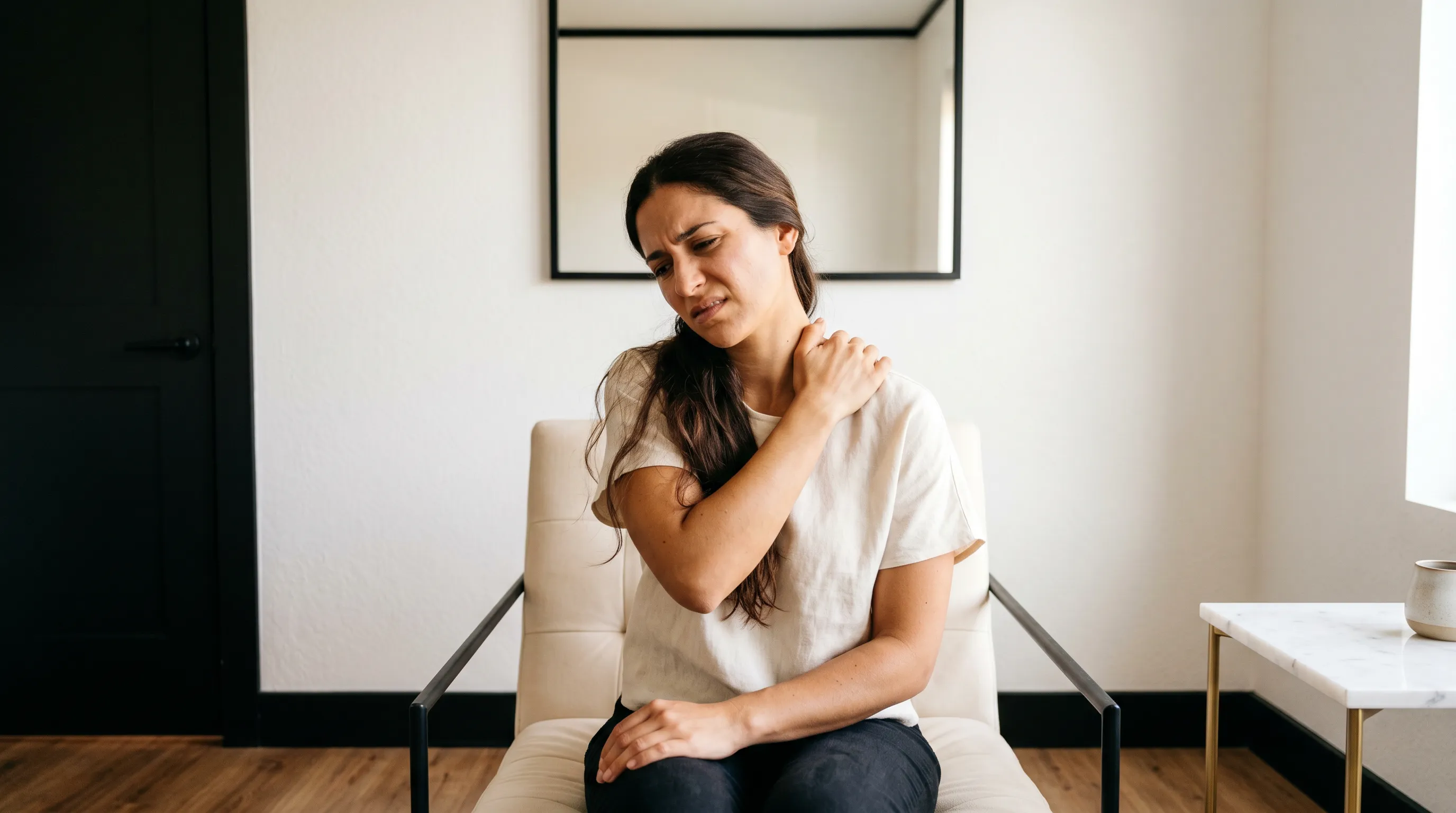
Your shoulders are concrete by 3 PM. The knots never fully release. Tension that keeps returning has an underlying cause, assessment finds it.
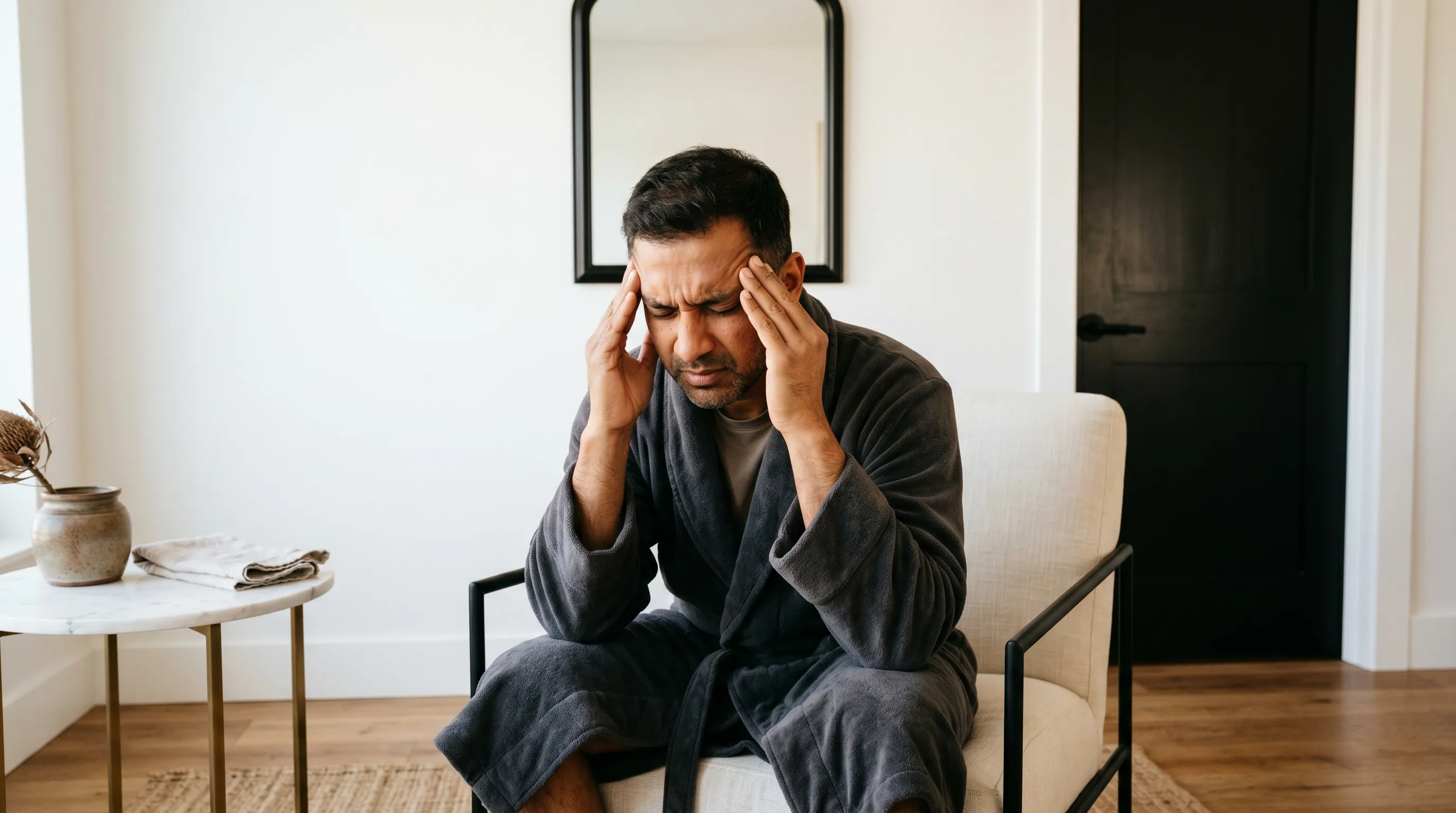
Pain & Injury
Headaches & Migraines
Tap to learn morePain & Injury
Headaches & Migraines
Pressure behind your eyes every afternoon. The Advil takes the edge off. Recurring headaches are not something to manage with painkillers indefinitely.
What patients say about Sports Injury Physiotherapy
4.9 stars across 407 Google reviews. The feedback is consistent: thorough assessments, clear communication, and care that addresses the real concern.
“My appointment with Rami - my PT was awesome. She know how to inflict pain with a smile. Rami is a highly experience PT and I truly recommend her!”
Ready to book your sports injury assessment?
Same-week appointments are typically available. Online booking takes about ninety seconds. No referral required. Direct billing for most major Ontario extended health insurers.